


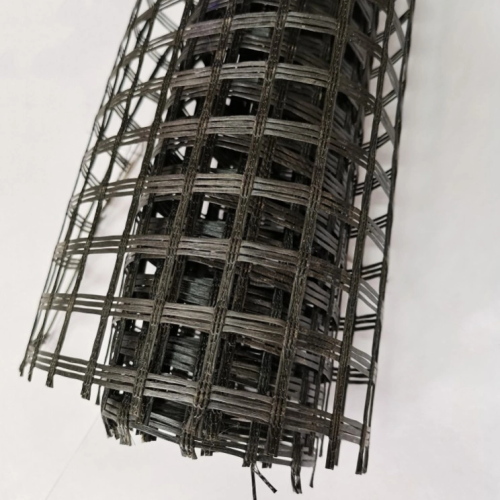
Fiberglass Geogrid 50Kn
Fiberglass Geogrid: The Ultimate Reinforcement Solution for Modern Civil Engineering Projects
In the dynamic field of civil engineering and infrastructure construction, the demand for durable, cost-effective, and high-performance reinforcement materials is constantly on the rise. As roads, railways, airports, and landfills face increasing wear and tear from heavy loads, extreme weather conditions, and long-term usage, engineers and contractors are turning to advanced geosynthetic materials to enhance structural integrity and extend service life. Among these innovative solutions, fiberglass geogrid stands out as a game-changer, offering unparalleled tensile strength, dimensional stability, and resistance to environmental degradation. This comprehensive guide explores the key features, applications, benefits, and installation best practices of fiberglass geogrid, helping industry professionals make informed decisions for their next construction project.
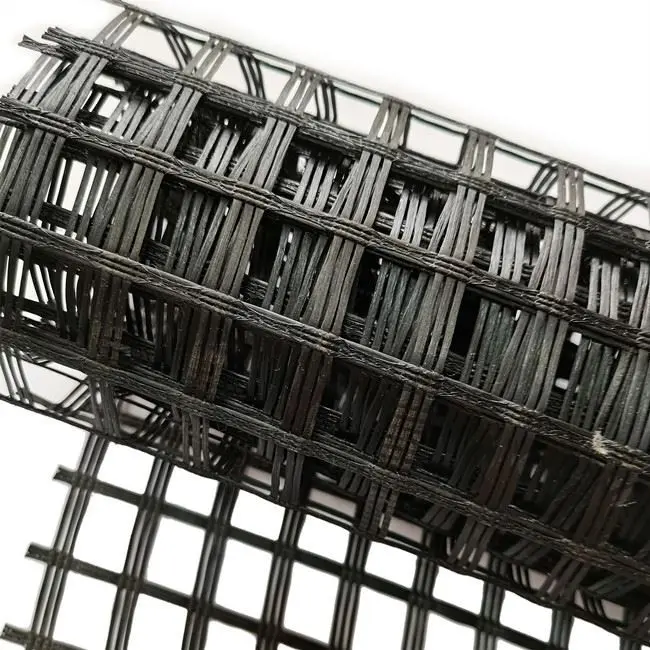
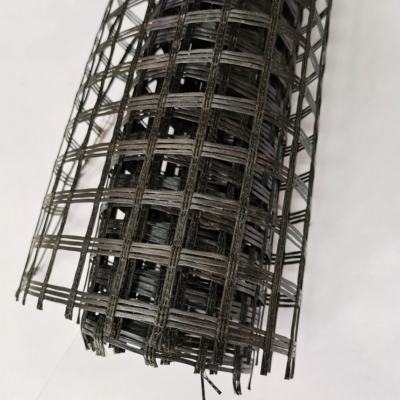
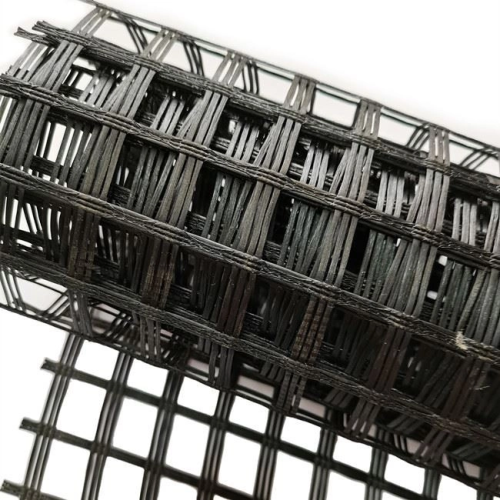
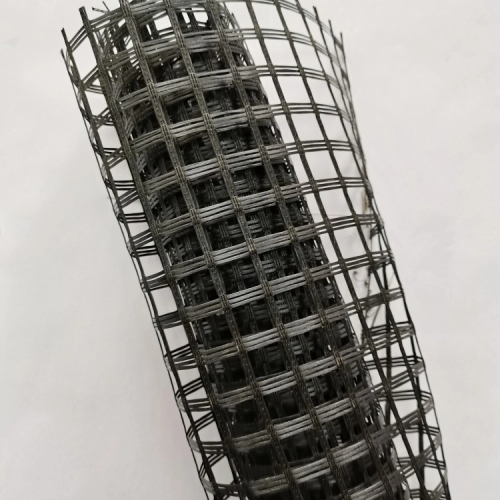
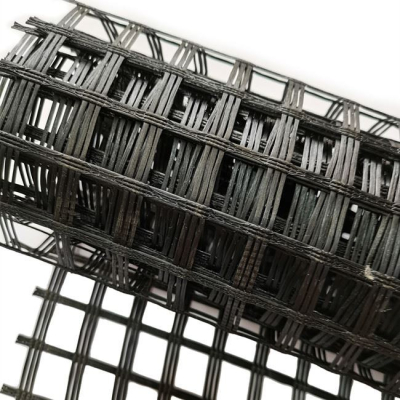
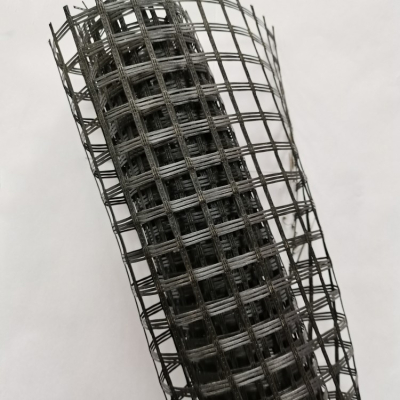
Fiberglass geogrids are geosynthetic materials made with high-strength fiberglass yarn. They are woven or knitted into grids to create a uniform arrangement, and then coated with a layer of protective bitumen, polyester or polypropylene.
Fiberglass geogrids offer superior mechanical performance over many conventional reinforcement materials as one of their main features. The tensile strength of fiberglass yarns is 2-3 times higher than that steel per unit weight beacause they have a greater tensile strength. Thus fiberglass geogrids are suitable for many applications where weight reduction counts–such as road overlays, bridge decks, and lightweight retaining walls. Also, under normal operating conditions, almost zero creep is apparent in fiberglass geogrid, a significant advantage over polyester or polypropylene geogrids that can undergo gradual deformation after a period of time.
This property of low creep guarantees that the geogrid can provide maintenance-free reinforcement for decades and the life expectancy of structures it supports is thus extended.Another major advantage of fiberglass geogrids is their high resistance to environmental conditions. Unlike steel, that will rust and corrode when it touches salt, moisture or acid soil, fiberglass is non-metallic and corrosion-resistant by nature. Fiberglass in salty coastal regions, wetland projects or areas of soil with high salinity content so it is ideal. Indeed, where steel reinforcement needs expensive anti-corrosion treatment. This resistance is further improved by the protective coating, which reflects rays from the sun (UV rays) which can cause degradation of synthetics if they are left outside in sunlight for long periods. It also prevents damage due to chemicals present in the soils or construction materials. And fiberglass geogrids are inert, so they do not react with soil, asphalt, or concrete; this ensures that they will remain compatible with surrounding materials over the long term.
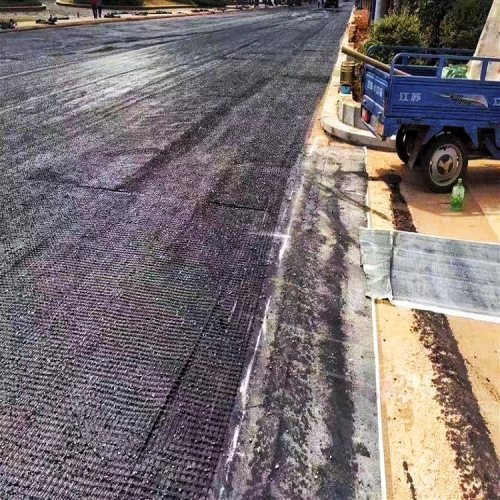
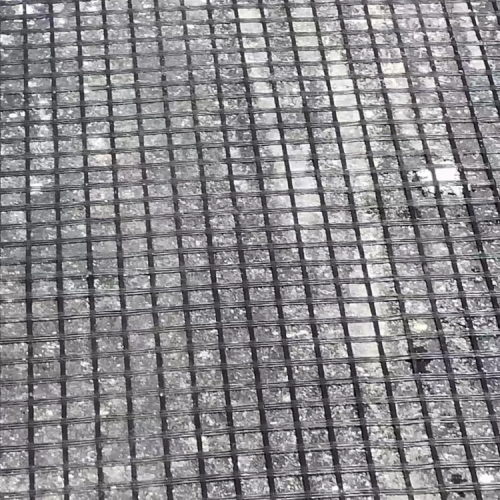
A wide range of applications for fiberglass geogrid exist–spanning almost all areas of civil engineering. Among these uses, road construction is the largest part. In flexible pavement projects, fiberglass geogrid is placed between the suffering roadbed and new asphalt. This is to prevent reflective cracking, which occurs when cracks in the lower layer spread up through the surface of asphalt. The grid performs crack prevention by equivalently distributing tensile forces. In this way, it can absorb energy from these cracks and prevent them from growing wider. Maintenance life for roads is extended. RAF Geosynthetics is particularly valuable for road overlays. If existing cracks are not properly reinforced, they can quickly ruin a new asphalt surface. It also increases the bearing capacity of roads, making it possible for them to carry heavier traffic volumes without additional harm to safety or pavement condition over time.costs of maintenance are reduced Beyond road building, fiberglass geogrid has an important role in railway infrastructure.
Railway track endures continuous dynamic loads imparted by trains, which can cause soil consolidation, ballast degradation and track distortion. By incorporating fiberglass geogrid beneath the ballast layer, the soil is thus enhanced stability. This prevents ballast from moving and causes tracks to be in line with each other, offering a smoother ride to those who come later on your line. The use of fiberglass geogrid to reinforce retaining walls substantially decreases the occurrence of wall failure, and assures structural safety. It also prolongs the life of ballast beds, thereby reducing need for recurrent maintainence and replacement. Fiberglass geogrid is also used to reinforce liner systems in landfills, thereby reducing loaner punctures and improving containment of solid waste, and for airport runways to improve pavement durability and endure heavy aircraft loads.
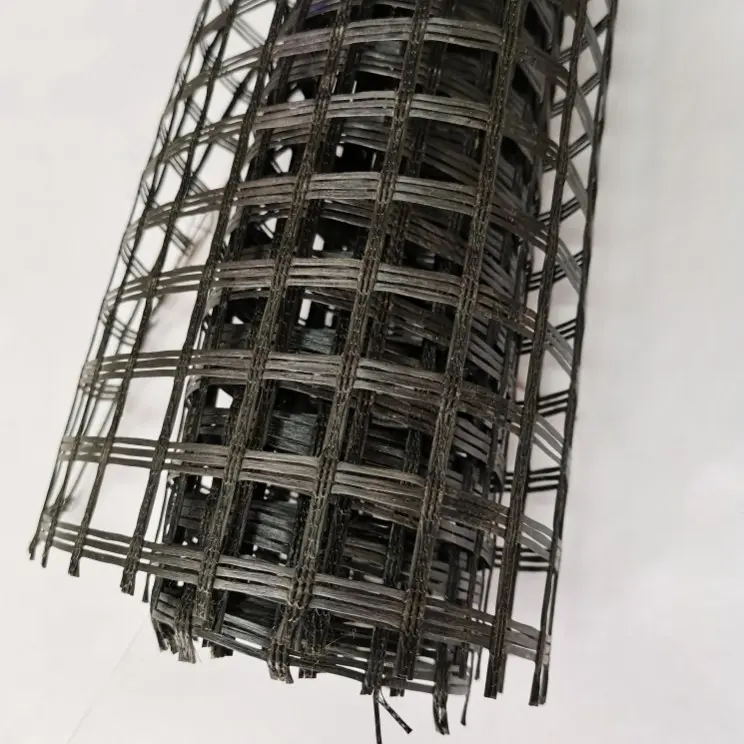
Proper installation is crucial to maximizing the performance of fiberglass geogrid, and following best practices ensures optimal results. Before installation, the construction site must be cleared of debris, rocks, and sharp objects that could puncture the geogrid. The soil or base layer should be compacted evenly to provide a smooth, stable surface for the geogrid to lie on. When laying the geogrid, it should be pulled tight to eliminate wrinkles, as loose geogrid will not effectively distribute stresses. The geogrid panels should be overlapped by 15-20 cm to ensure continuous reinforcement, and the overlaps should be secured with staples or anchor pins to prevent movement during subsequent construction steps. Finally, the geogrid should be covered with the top layer (asphalt, concrete, or backfill) as soon as possible to protect it from UV exposure and mechanical damage.
When selecting a fiberglass geogrid for a project, it is important to consider several key factors to ensure compatibility and performance. The tensile strength of the geogrid should match the requirements of the project—higher tensile strength is needed for heavy-load applications such as airport runways or industrial pavements. The mesh size of the geogrid is also important: smaller mesh sizes are ideal for fine-grained soils, while larger mesh sizes work better for coarse-grained soils or ballast. Additionally, the type of protective coating should be chosen based on the project environment—bitumen coatings are perfect for asphalt pavements, while polypropylene coatings are better for soil reinforcement applications. Working with a reputable supplier who can provide technical support and quality certification is also essential, as low-quality fiberglass geogrid can compromise the entire structure.
As the global focus on sustainable and resilient infrastructure grows, fiberglass geogrid is poised to play an even more important role in modern civil engineering. Its lightweight design reduces transportation emissions, its long service life minimizes the need for frequent replacements, and its corrosion resistance eliminates the environmental impact of rust and corrosion from steel reinforcement. Moreover, by extending the service life of roads, railways, and other structures, fiberglass geogrid helps reduce the carbon footprint of construction projects, as fewer resources are needed for maintenance and reconstruction.
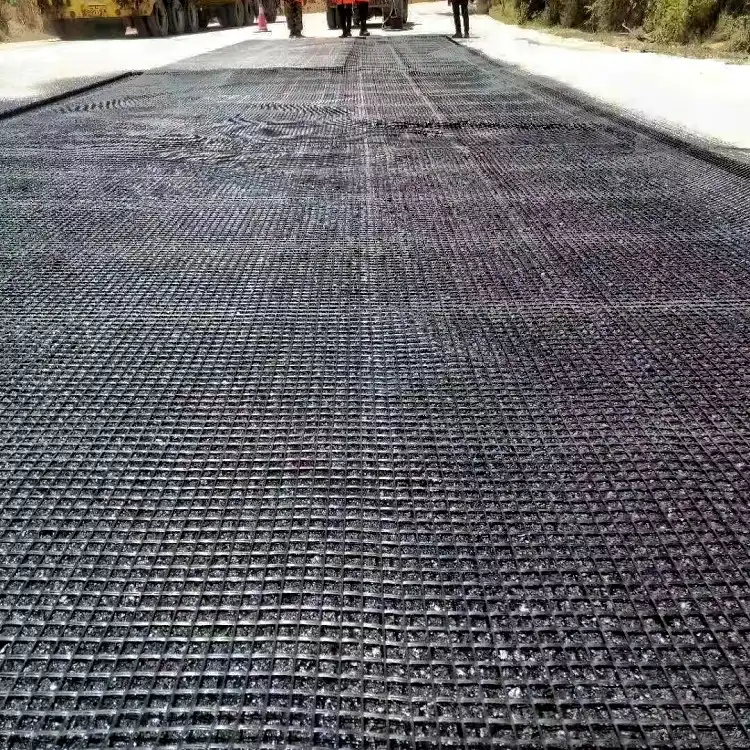
In conclusion, fiberglass geogrid is a versatile, high-performance reinforcement material that offers unmatched benefits for civil engineering projects of all sizes. Its exceptional tensile strength, low creep, corrosion resistance, and easy installation make it a superior alternative to traditional reinforcement materials, helping engineers build safer, more durable, and cost-effective structures. Whether you are working on a road overlay, railway track, retaining wall, or landfill project, fiberglass geogrid is the ultimate solution to enhance structural integrity, extend service life, and reduce long-term maintenance costs. Invest in fiberglass geogrid today, and build infrastructure that stands the test of time.
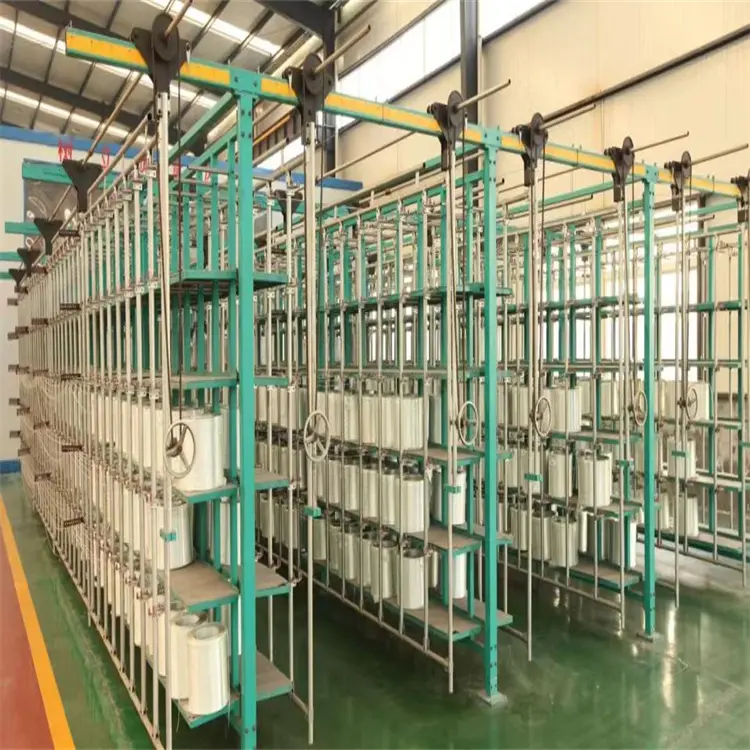
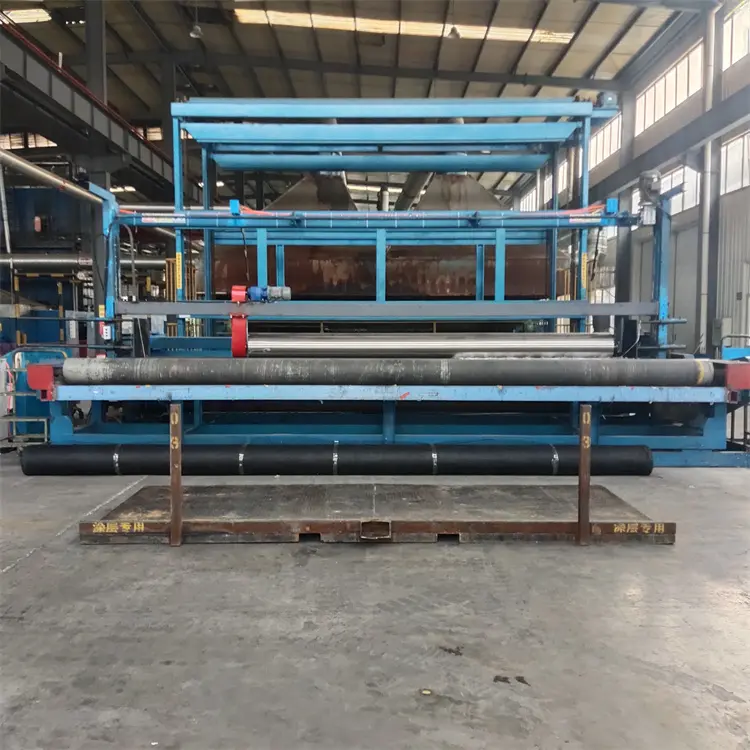
Production Line
Customer Visit

Related Products
Related News