



Introduction: The Advent of Geosynthetics in World Infrastructure
In the age of fast urbanization, climate protection and sustainable building, it is hot for the high performance geosynthetic materials. Of these, HDPE uniaxial geogrids specifically is an essential product in soil reinforcement and slope stability solutions around the globe. Constructed of high-density polyethylene, this unique geogrid provides superior tensile reinforcement capability in one direction, making it ideal for use over weak subgrades, steepened slopes and walls. With the surge in global infrastructure investments, it is important for B2B purchasers in civil engineering,construction and transportation to understand the technical benefits, market dynamics and applications of HDPE uniaxial geogrids.”
Market Overview
The high-strength uniaxial geogrid segment is a fast growing one among the global geosynthetics market. Thanks to large investments in the construction of highway networks, expansion rail systems and coastal protection schemes and mining operations this market continues what has been a period of strong growth. In regions with poor soil conditions that make building more expensive, or even where solutions must last by law, HDPE uniaxial geogrid has the reigning position. Its main function, that is to restore tensile strength to the granular soil, makes for longer-lasting infrastructure and lower maintenance costs, a value proposition that is appealing both government bodies and private developers.
One explanation, perhaps, of exactly what is driving the demand for high strength uniaxial geogrid in these years of fervent interest might be:
· Infrastructure Renewal: In the developed countries older infrastructures are being rehabilitated, often with new methods of reinforcement.
· Sustainable construction: By using geogrids the need to dig virgin rock quarries and carry out extensive earthmoving work can be cut back, promoting a greener way of doing construction work.
· Cost savings: Projects that use HDPE geogrid to stabilize soils often see big savings in both material and construction time as compared with traditional methods.
· Regulatory Standards: More and more strict engineering codes and standards for slope stability and embankment design mean that certified reinforcing materials are being used quite broadly.
Now the focus is on high-performance polymers and production methods that improve long term design strength (LTDS) and make these materials more resistant to environmental stressors like UV radiation as well as chemicals.
Technical Deep Dive: Manufacturing and Properties of HDPE Uniaxial Geogrid
Understanding the manufacturing process is key to appreciating the performance of HDPE uniaxial geogrid. The production typically involves a multi-step process:
1. Extrusion: High-density polyethylene resin is extruded into a flat sheet.
2. Punching: The sheet is precisely punched to form a regular pattern of apertures.
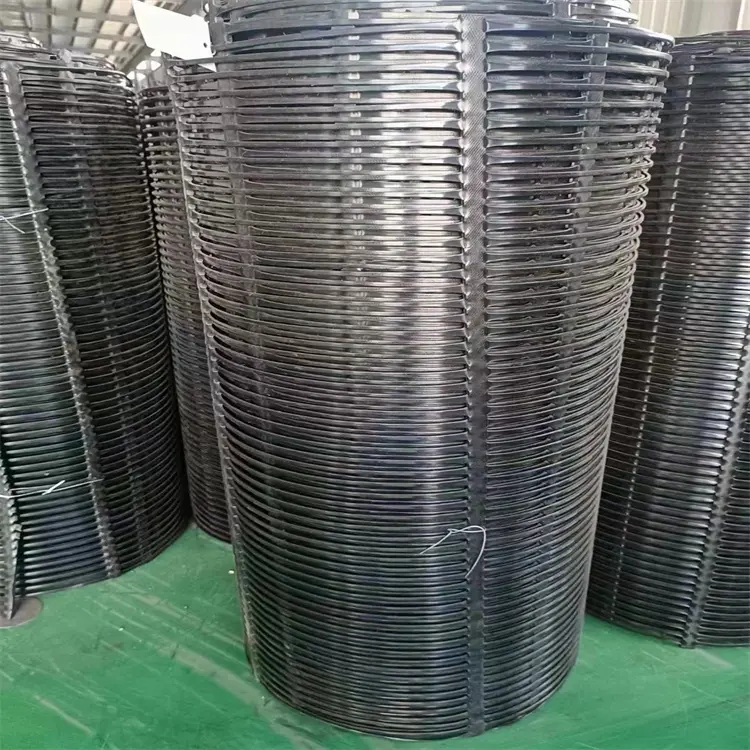
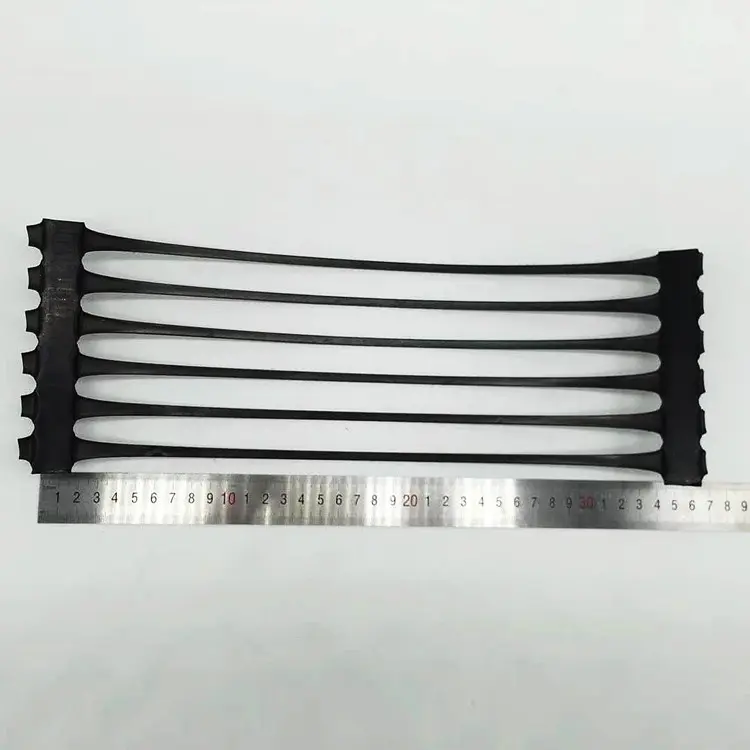
3. Stretching (Orientation): This is the most critical stage. The punched sheet is heated and stretched in a single, machine direction (uniaxial). This molecular orientation aligns the polymer chains, dramatically increasing the tensile strength and stiffness in that direction while creating the iconic rib-and-aperture structure.
4. Finishing: The stretched geogrid may be coated or further treated before being rolled for shipment.
Why Choose HDPE Material?
HDPE provides an exceptional combination of properties needed for geotechnical uses:High Tensile Strength: Allows reinforcement against soil stresses that are experienced by most structures.Extraordinary Creep Resistance: High resistance to deformation under long-term constant load, a crucial factor for permanent structures.Superior Chemical and Biological Resistance: Largely inert toward most soils, leachates, and microorganisms, ensuring long-term performance with little or no degradation.Durable: With carbon black giving UV stabilization, UV-stabilized HDPE geogrid can resist prolonged exposure to sunlight throughout and after installation.
Primary Applications and Installation Advantages
HDPE uniaxial geogrids are designed for situations where the dominant tensile forces act in one direction.
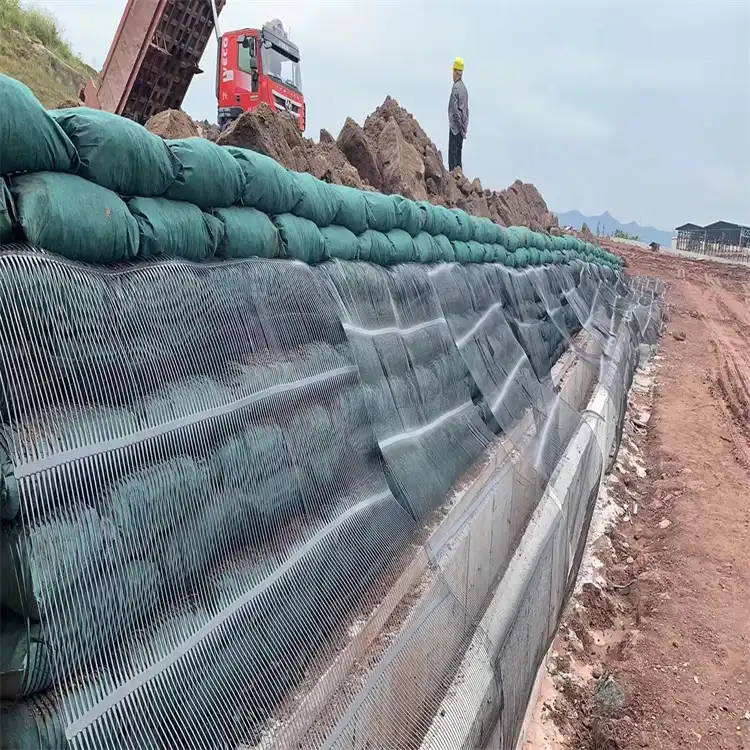
Their main uses are:Reinforced Steep Slopes and Embankments Geogrid for slope stabilization is laid between layers of compacted fill in earthworks such as road or railway cuttings and fills. The dirt fills the mesh of the geogrid, strengthening for longer and at steeper angles at a fraction of the cost.Retaining walls These represent a popular application for uniaxial geogrids. Layers of geogrid for retaining walls are set into the backfill, tying it to the facing of the wall. The result is a cohesive, massive gravity structure that often is cheaper and quicker to build than the conventional concrete wall.
How to Upgrade Foundation
On very soft subsoil, below embankments, a basal layer of HDPE uniaxial geogrid can distribute loads, reduce differential settlement and improve stability.
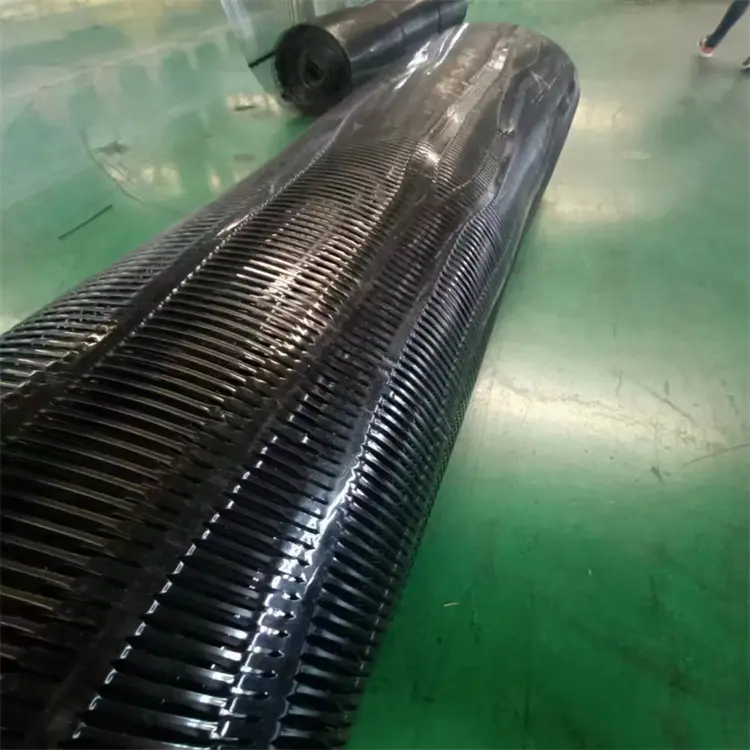
Installation Summary: The installation is quite straightforward, which is one reason why it has become so popular. The rolled geogrid material is laid out on a prepared subgrade, tensioned slightly to pull out slack, and then filled back with select granular material. Proper compaction over the geogrid is indispensable in achieving optimal soil-grid interaction.
FAQ: Answers for B2B Buyers
Q1: What’s the typical design life of an HDPE uniaxial geogrid, and what factors influence it?
A: An HDPE uniaxial geogrid properly designed, manufactured and installed will have a design lifespan in excess of 100 years for many applications. Key factors include the grade of the polymer, the content of carbon black for UV resistance (for periods exposed), the chemical nature of the soil environment, and the long-term load it actually sustains. Always ask your supplier for certified test data on oxidative induction time (OIT) and creep resistance.
Q2: What are the differences in use between a uniaxial & biaxial geogrid?
A: The choice depends on the stress direction in your project. If most of tensile forces are in one direction (as would be the case on steep slopes or a retaining wall), use a uniaxial geogrid. On the other hand, if the load spreads out in many directions, as would happen at a road base stabilization setup where multiple DFMs transmit forces to subgrade, Choose a biaxial geogrid (strength in two perpendicular directions). Consultation with a geotechnical engineer is advised.
Q3: Can HDPE geogrids be used in exposed applications?
A:While HDPE geogrid has excellent durability, prolonged direct exposure to UV sunlight can degrade the polymer over time. For permanently exposed faces (like some wall applications), specify a UV stabilized HDPE geogrid with a high carbon black content. For temporarily exposed conditions during construction (typically up to 6 months), standard grades are usually sufficient, but follow the manufacturer’s guidelines.
Q4: Electrical Certification
A: The sources you are evaluating should be able to provide certification documents in compliance with standard international certification systems such as ISO, ASTM, and GRI etc. The most important readings in these tests include tensile strength according to D6637, junction strengths, aperture stability, and long-term creep testing. Also, check domestically for CEmarking or specific national approvals when the project is publicly funded and these regulations apply.
Conclusion: Partner for Performance and Reliability
Selecting the right geosynthetic for reinforcement is a vitally important engineering decision that will have long-term impact on your project in matters such as safety, durability, and ultimate cost. For the modern challenges of geotechnical engineering, the versatility of HDPE uniaxial geogrid, with its engineered strength, proven durability, and specific application benefits, provides an intelligent and sustainable answer.
When you decide on suppliers, make sure they are delivering not only products but also service and technical support. Be exactingly demanding in your requirements for consensus quality data and international project experience. Be sure that the HDPE uniaxial geogrid provider you choose can offer comprehensive, experience-specific design instructions and guaranteed delivery on schedule to maintain your project flow.
Related Products

Related News