


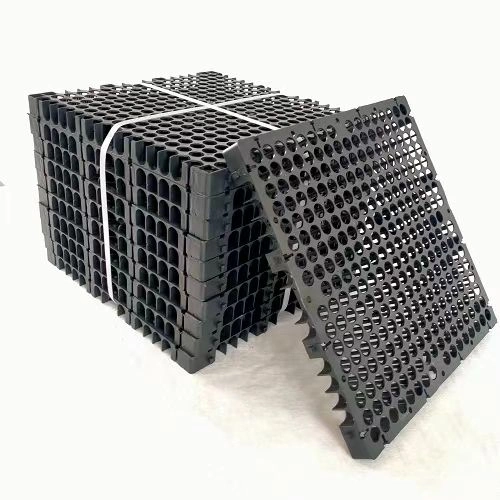
Drainage Cell Waterproofing
Drainage Cell: A High-Performance Low Profile Solution for Subsurface Water Management
Introduction: The New Revolution in Drainage Engineering
In modern civil engineering, landscape and buildings, it is not merely an option to manage water effectively. It is an essential requirement that determines structure security, durability and meeting an environmental standard. The invention of the drainage cell, sometimes called a geocellular drainage layer or an empty body, wastebasket, represents a turning point in subsurface drain technology. The modular system comprises three-study layers Hogan, is for channels of water or quick storage when necessary all housed in a flexible high-density polyethylene or polypropylene shell.
The drainage cell offers international B2B purchasers, specifiers and construction workers in roofing, escalator tunnels, green buildings, retaining walls and sports field construction a better, lighter more economical substitute for traditional rock drainage layers. This paper gives a completely technical and commercial analysis of the drainage cell, explains its development, uncommon advantages and critical functions in global projects.
Product Overview: Anatomy of An Engineered Drainage Layer
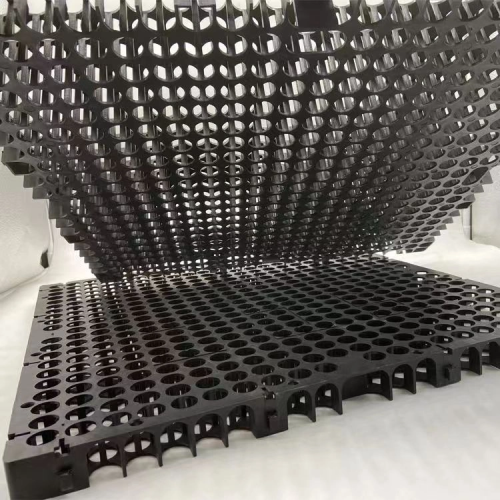
The drainage cell is a geosynthetic structure made up of a series of interconnected units. This unique core structure actually constitutes the essential difference between it and other products.
The Product’s Core Design & Structure
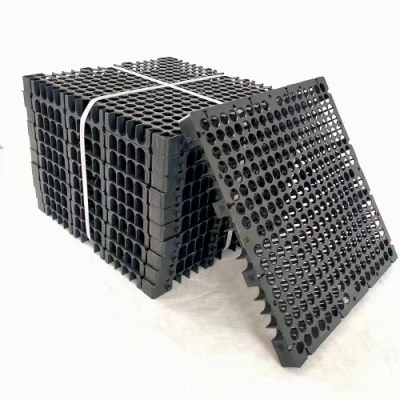
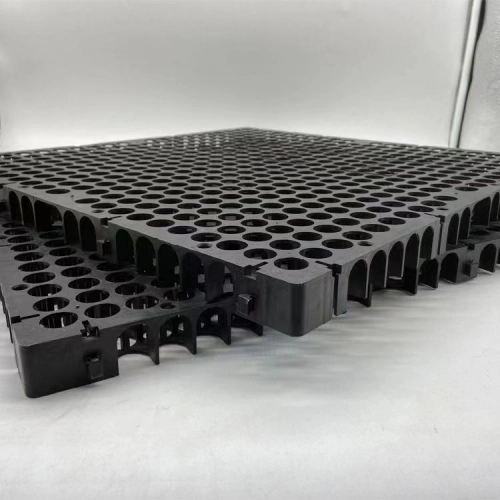
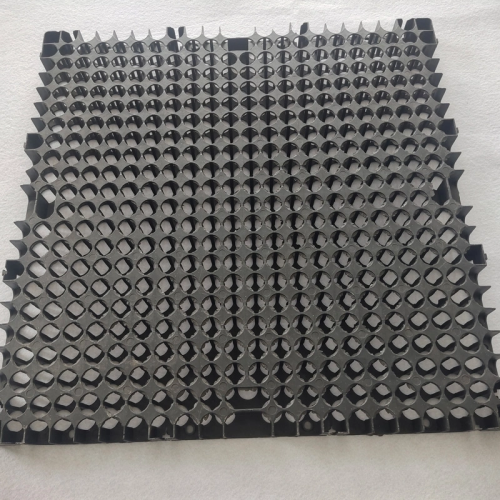
In a drainage cell product, a series of interconnected geocellular units are joined together to form a modular panel or roll. Each unit is a cupped or dimpled structure giving rise to:
-A High-Strength Deck: the top surface, often the geo-textile filter fabric in composite products or simply a studded plastic sheet, provides a level platform that is not easily eroded
-A Network of Vertical Supports: these columns or pillars create Uninterrupted tunnels for plenty of water volume
-A Continuous Drainage Core: the interconnected voids between the supports act as channels for water flow laterally without obstruction Movement is therefore unimpeded.
When built following this design, a product results that is well over 90% empty space by volume but nonetheless provide enormous Hydrologic: Checkout rate for water Dig the decision beyond doubt Environmental.Com software in Public infrastructure: The Building Civil Engineer’s decision support tool won ‘Most Future development potential’ at the Stormwater Island Awards 2021.
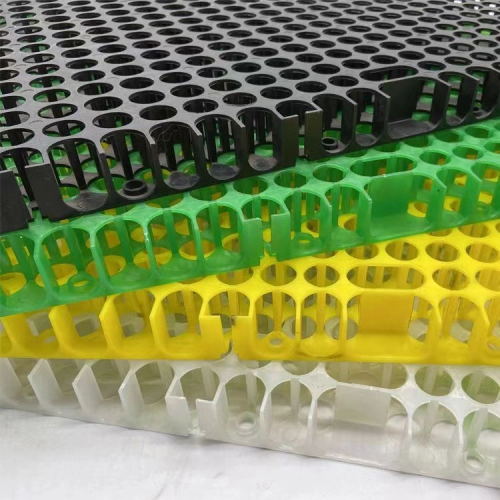
Key Material Science: HDPE and PP The choice of polymer is critical: ·High-Density Polyethylene (HDPE): Prized for its high chemical resistance, good durability, and excellent compressive strength. It does not attract root damage and is ideal in situations of heavy load such as plaza deck drainage or under heavy paving. ·Polypropylene(PP): Good-strength and polypropylene is often used in landscape drainage cell applications. It can be made very flexible so that it can be adapted to a wide pH range. As a result, premium drainage panels use post-consumer or post–industrial recycled polymer materials. They are also unlike traditional building gravels in that their construction is entirely in line with green building certification measures such as LEED(r) or BREEAM. Common Configurations: Drainage Cell Panels: Rigid, interlocking panels (e.g., 500mm x 500mm or 600mm x 600mm) for structured installations like roofs or decks.
Drainage cell can be laid over large, profiled areas such as landscapes or sports fields. Composite vs. Core-Only: Products are available with a drainage–core only or as a composite drainage layer with geotextile thermally bonded to one or both sides (non- woven geotextile). Technical Characteristics & Performance Advantages The engineered design of the geocellular 1drainage system leads to a familyof quantifiable benefits that run rings around conventional methods. 1. Exceptional Hydraulic Capacity The grand, open and connected voids in the plane of our panels provide extremely great Hydraulic capacity (transmissivity). This is crucial for rapidly stopping water either capture its passage or speed in a structure andeven lowering the level behind retaining walls. The engineering is all consistent and predictable: there is no fear that over the course of time gravel might flask or jam. 2. High Compressive Strength with Lightweight Design
These modern HDPE drainage cells carry up to 95% air. Yet even so they can bear over 1000 kPa of pressure (≈145 pounds per square inch), but are lighter than the same performance gravel layer. Structural load can be relieved and they are easy to handle.
Integral Root Barrier and Protection Layer
With an appropriate geological fabric, this system becomes a set of connected drainages and barrier. This is vital for draining rainwater green roof and landscape, It protects waterproofing membranes from root intrusion as well as allows for seamless draining to supply water for plants.
Durability and Chemical Inertia
Most of the chemicals found in soils, leachates and fertilisers have no effect on HDPE and PP. These materials are also immune from biological decay, which means that they ensure a long design life to exceed the useful life of the object they protect.
Sustainability and Installation Efficiency
The subsurface drainage cell reduces the need for excavation and import of natural aggregates (gravel), lowering the project’s carbon footprint. Its modular, lightweight nature leads to faster installation with less labor and equipment, compressing project timelines.
Primary Application Areas
The flexibility of drainage cells means that they play a key role in many different engineering sectors.
Building & Roofing Applications
· Green Roof Systems: Used in the green roof drainage layer for rainwater management, introduction of air to roots and protection of the waterproof membrane. A drainage cell for roof gardens is also a standard parameter.
· Plaza Decks & Podiums: Placed upon structural slabs beneath paving or landscaping areas to create a ventilated, dry space, it prevents water entry and ice damage to the structure during cold winters.
· Foundation & Basement Wall Drainage: As a peripheral draining system to collect groundwater and deliver to sump pumps below grade for structures that are underground.
Civil & Landscaping Engineering
Fields of Sports and Golf Courses: Natural and synthetic turf products require first-rate subsurface drainage, which prevents water logging, and allows for the playing field to be consistently dry. The drainage of sports fields is closely related to the success of an outstanding venue.
Retaining Walls & Geotechnical Structures: As a drainage composite that is installed behind retaining walls, geotechnical structures are the best means of doing this. They reduce hydrostatic pressure, one of the leading causes of wall failure, and thus promote wall stability.
3.Landscape Drainage & Tree Pits: Drainage of tree pits and landscaping provides air and water to trees in urban environments. In some stormwater management designs drainage, storage is also provided underground. As any effort made to simulate the tree’s original natural setting leads to better health
Transportation Infrastructure
–Highway & Railway Embankments: Pore water pressure is controlled within embankments.
Installation Overview
Surface Preparation: The substrate (e. G. waterproof membrane, compacted soil) must be clean, smooth, and free of sharp protrusions.
Panel/Roll Placement: Drainage panels interlock; drainage rolls are rolled out with side-lap overlaps as specified. The intended pathway for water flow channels should line up along with.
Connection to Outlets: The system must be properly connected to drainage outlets or pipes, often using dedicated perimeter channels or collector strips.
Covering: For composite products, aggregate or soil is placed directly. For core-only products, a separating/filter geotextile is laid before the final cover material (soil, sand, aggregate) is placed.
F.A.Q. for International Buyers & Project Specifiers
Q1: What is the key difference between a Drainage Cell and a traditional gravel drainage layer?
A: In performance, weight, and consistency: it’s like apples to oranges. A gravel layer is heavy, needs a lot of excavation work, loses void space over time from compaction, and has variable hydraulic properties. The core only or composite a drainage cell provides a consistent, high, predictable void ratio (>90%); is extremely lightweight (ease on logistics and structural loads); has built-in filtration when composite; and is much fast to install. It is a precisely engineered solution versus a variable natural material.
Q2.When it comes to a Composite Drainage Cell (with geotextile) versus the Core-Only kind, what should I choose?
A:It all depends on the application and substrate qualities.Furthermore, a geotextile Composite Product can bask in soil, sand and gravel directly over its drain. The built-in geotextile acts. If it is some other use altogether then the performance won’t be as good and may even be worse. The result. (As in landscape drainage, for example, behind retaining walls ) clogs drainage cores like an element of that other material.As a cleaning product Choose a Core-Only Product when the drain layer will be protected by a concrete slab, paving stone(s) on a bed of mixed sand or ground cleaner stone. Such cases do not necessarily need separate geotextile, represent the potential source of greater cost savings.
Q3: How much load (kPa or psi) do I need to cope with for my project (e.g., a pedestrian plaza vs. a car park)?
A: Load capacity is a critical specification. Manufacturers provide compressive strength data at various deformations (e.g., at 10% strain).· Landscaped Roofs/Green Roofs: Typically require 200-400 kPa.· Pedestrian Plazas, Fuel cell products : 400-700 kPa is common.· Lightweight Vehicular Venues (Car Parks, Fire Lanes): 700-1000+ kPa is needed.Always consult the manufacturer’s technical data sheets and involve a structural engineer to specify the correct product for the projected live and dead loads.Many. Yes, these days recycled plastic products do an excellent job of holding onto and later releasing storm water. Modern geocellular systems are a building block of Sustainable Drainage Systems (SUDS) and blue-green infrastructure. With the use of storage drainage cells having high void ratios, the system allows stormwater runoff to be stored underground on a temporary basis, thus attenuating flow. This reduces peak flow to sewers and gives time for slow leaching or controlled release.
The upshot of this is that urban flooding is limited, along with the expansion of urban area at value or expense end to urban core.* Blue-Green Infrastructure: BGI is designed to create a better living environment for all of us. After we’ve gone, the system survives and encourages both clean energy with reduced downstream siltation and more energy-efficient use of urban resources. So one might say that in this respect it is overall environmentally more sexy than brownfield development. Ecologies are happily balanced as rivers are purifying again even without having also to be mimicked by buildings or urban infrastructure. The overall cost to society is not per se out of kilter; while intensive management of land and high levels of public investment recorded in facilities reflect thoughtful design carried for human purposes. It is all because water fits better in buildings.
Related News