


Tree Root Protection System
Introduction
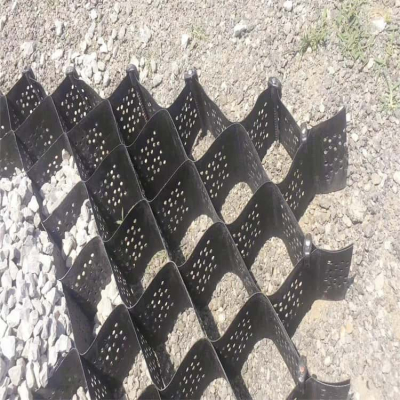
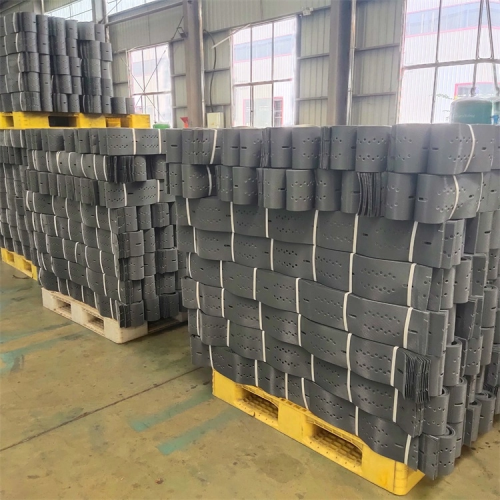
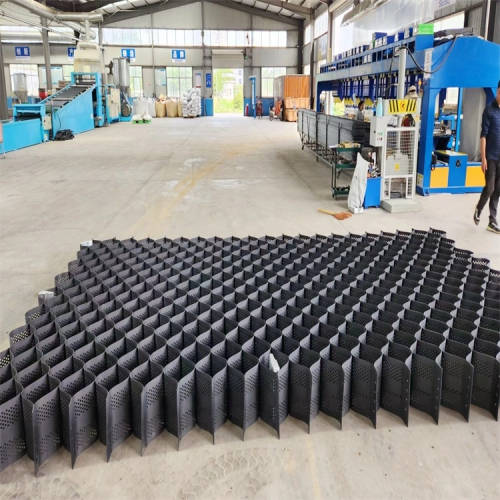
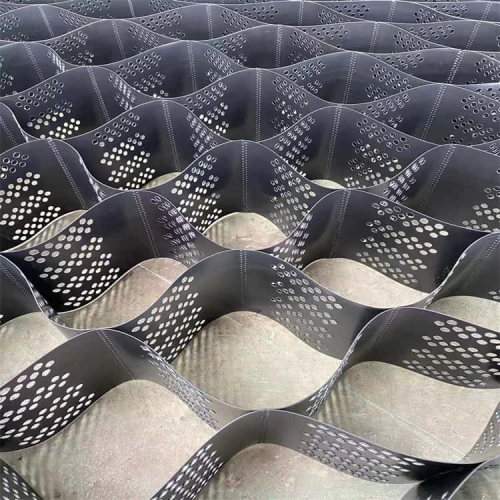
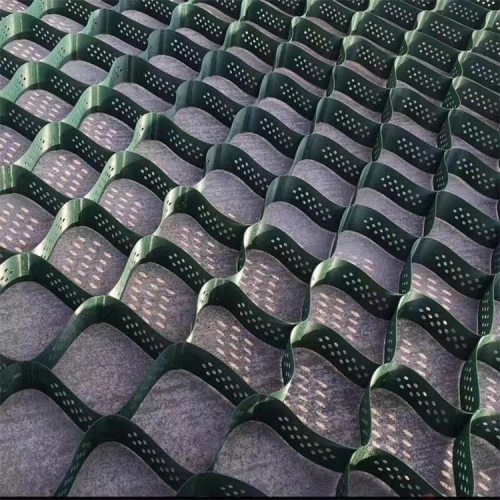
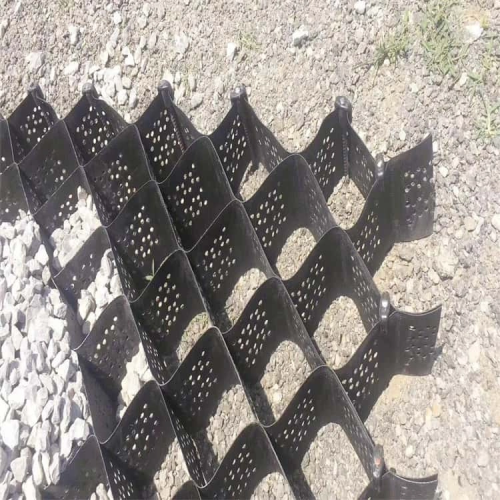
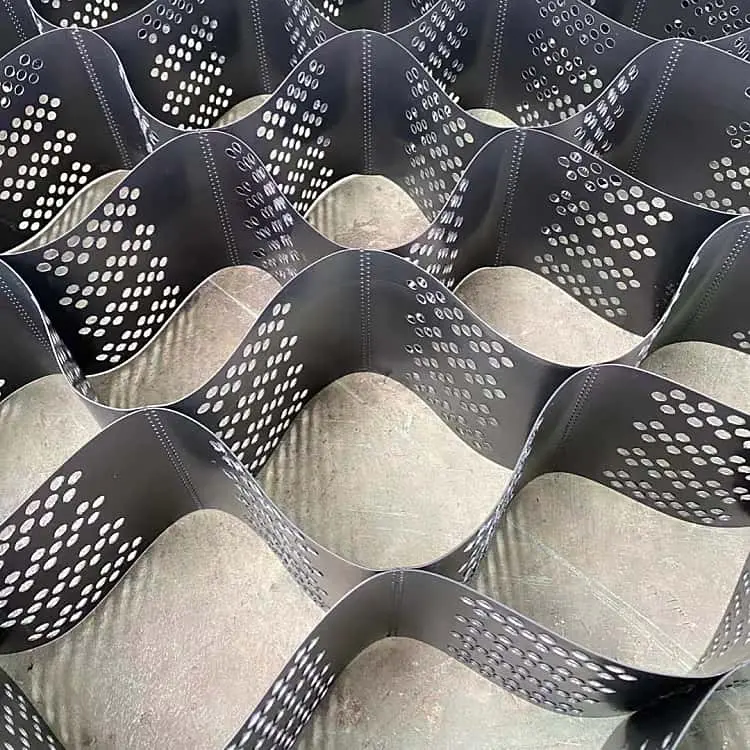
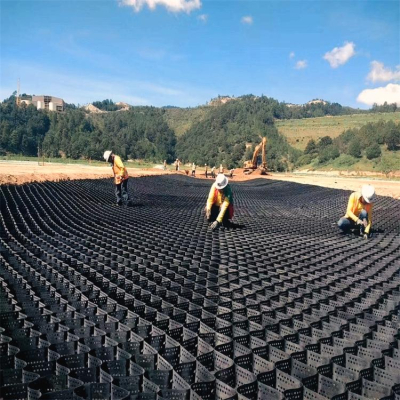
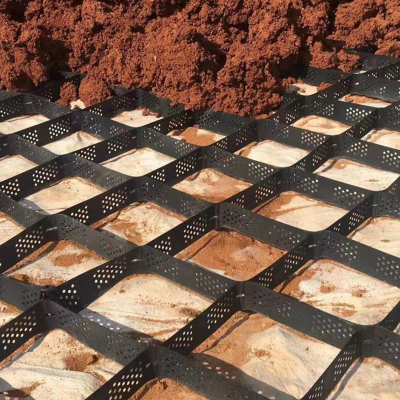
Tree Root Protection System is a wide polymer band produced by advanced polymer technology. It is a honeycomb like three-dimensional mesh formed by ultrasonic welding, with soil and vegetation. The organic combination of sand, stone or concrete and other materials constitutes a structure with strong lateral restrictions and stiffness. It is the most advanced, mature, economic and ecological solution to solve the problem of soil stability and reinforcement.
Tree Root Protection System is a means of ensuring that the root systems of trees are not damaged or disturbed by construction or other activities. Prior to construction work commencing, Tree Root Protection System should be established around each tree that is to be retained and protected.
Ground disturbance must be avoided within Tree Root Protection System. Construction activity, access roads, and working platforms should be routed around the Tree Root Protection System. Where this is not possible, precautions must be taken to prevent compaction of the soil and damage to the tree root system.
Feature
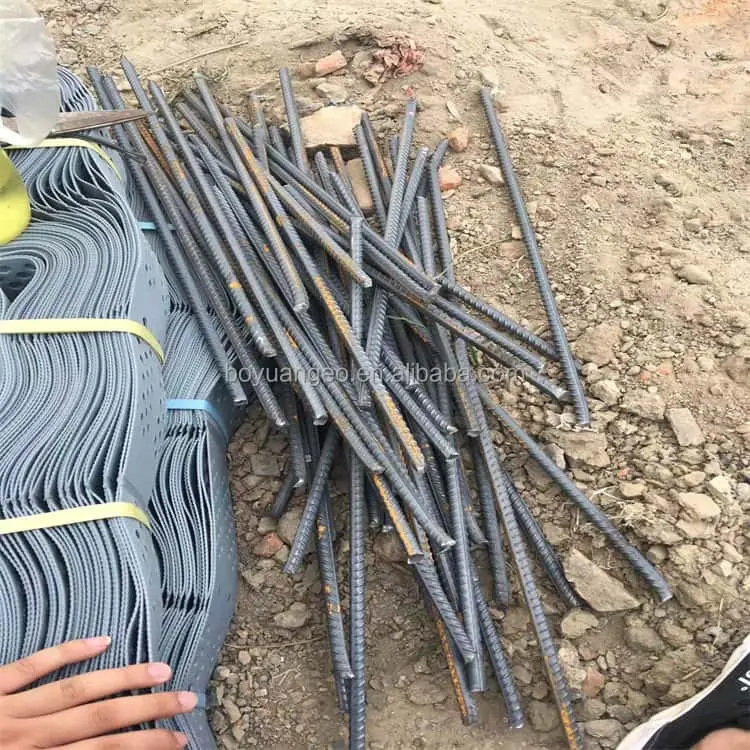
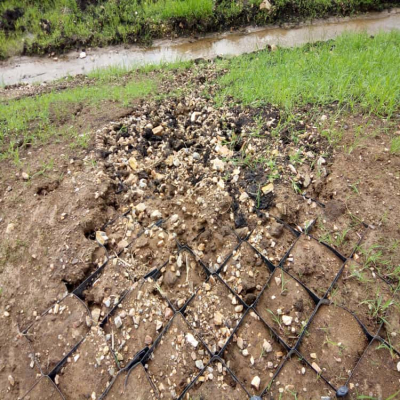
It can be stretched freely, can be collapsed all through transportation, and can be stretched into a internet structure in the course of construction, and stuffed with unfastened substances such as soil, gravel, concrete, etc., to structure a shape with robust lateral restrictions and excessive rigidity.
It is light, wear-resistant, secure in chemical properties, resistant to mild and oxygen aging, acid and alkali resistant, appropriate for exceptional soils and deserts and different soil conditions.
High lateral restrict and anti-slip, anti-deformation, successfully beautify the bearing capability of the subgrade and disperse the load.
Changing geocell height, welding distance and different geometric dimensions can meet one of a kind engineering needs.
Flexible enlargement and contraction, small transportation volume, handy connection and quick development speed. That is to say, as soon as the load acts on the subgrade, a tapered energetic region will be fashioned beneath the load, which will be squeezed thru the transition area, thereby inflicting the passive region to bulge.
Application Principle
To keep away from soil compaction and guard tree root systems, we want to preserve vehicles, building equipment and heavy hundreds away from the vicinity to be protected. When this is now not practical, some potential of distributing load to decrease floor stress and keep away from floor deformation must be employed.
As we realized above, tree roots want oxygen to survive, and that requires soil porosity. Any compaction of the soil bobbing up from building things to do or surcharge loading ought to be prevented inside tree root protection system.
Where it has been agreed that building endeavor wishes to take area inside an tree root protection system, some shape of floor safety ought to be put in vicinity to stop soil compaction. There are a vary of processes available.
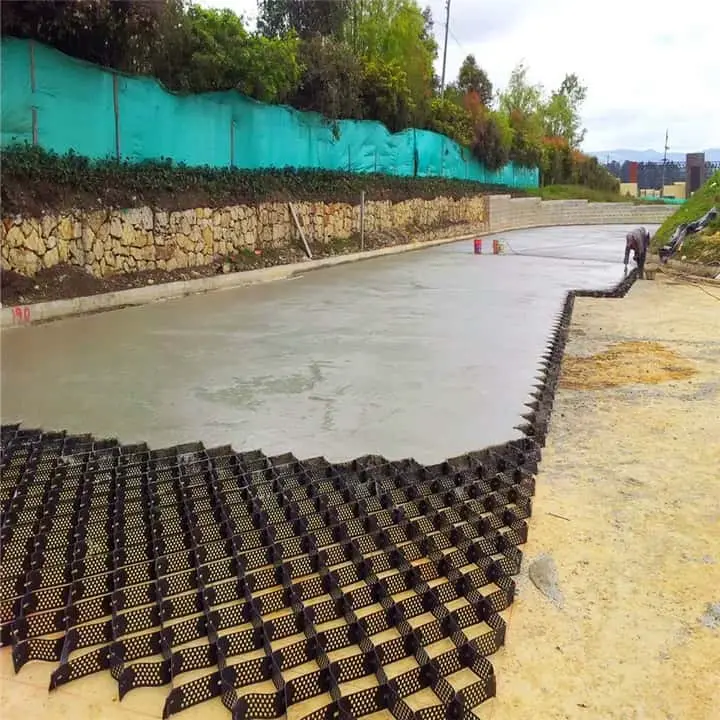
For transient storage, scaffold systems can be developed that bridge over the tree root protection system. For brief access, metal, concrete or plywood plates can be used to unfold the load. Geocells can be used to create a stiff platform. The use of geogrids can be considered, furnished they are designed to create robotically stabilised layers succesful of distributing load barring deformation. More on this later.
For everlasting challenging surfaced areas, the place these are unavoidable, site-specific arboreal recommendation is essential. The layout must require no excavation or soil elimination and loading wishes to be allotted to keep away from localised compaction. Drainage, designed to keep away from rood harm inside the tree root protection system, need to be regarded the place waterlogging may additionally manifest as a end result of the construction. Appropriate and superb subbase help selections may additionally be used inside the tree root protection system to distribute loads, decreasing load attention that would end result in localised soil compaction.
Parameters
| Item | Property | Units | Value | |
| Material | Polymer Density | g/cm3 | 0.94 | |
| Carbon Black Content | % | 2.0 | ||
| Oxidative Induction Time | Min | 20 | ||
| Low Temperature Brittleness | ℃ | ≤-50 | ||
| Vicat softening temperature | ℃ | ≥112 | ||
| Environment Stress Crack Resistance F50 | hours | ≥800 | ||
| Strip Properties | Sheet Thickness | mm | 1.1/1.2/1.5 | |
| Sheet Tensile Strength | Mpa | ≥20 | ||
| Sheet Surface | / | Smooth/Textured Perforated/ Not perforated | ||
| Color | / | Black/Yellow/Green | ||
| Cell Depth | mm | 50/75/100/150/200/250 | ||
| Seam Properties | Seam Peel Strength | N/10cm | ≥1000 |
Plant
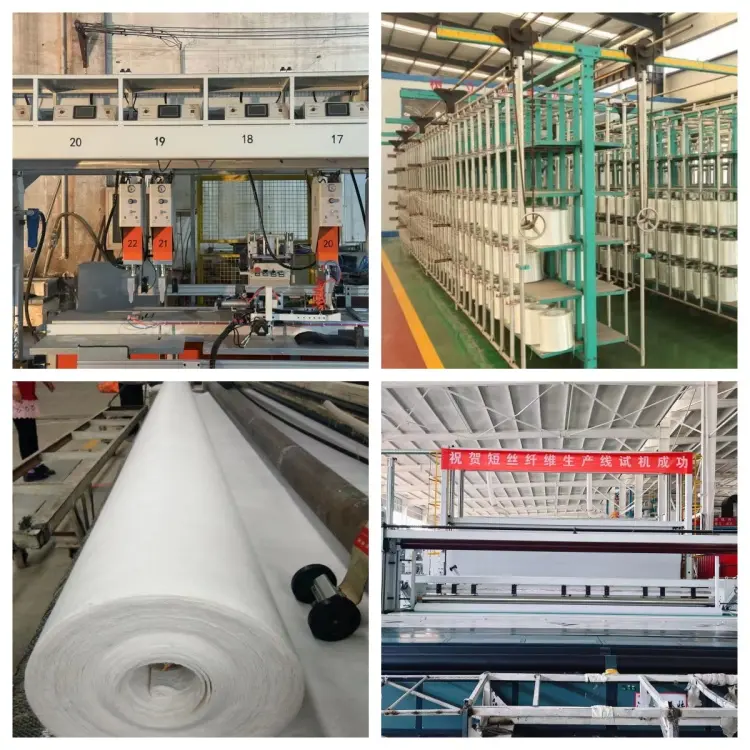
Inventory
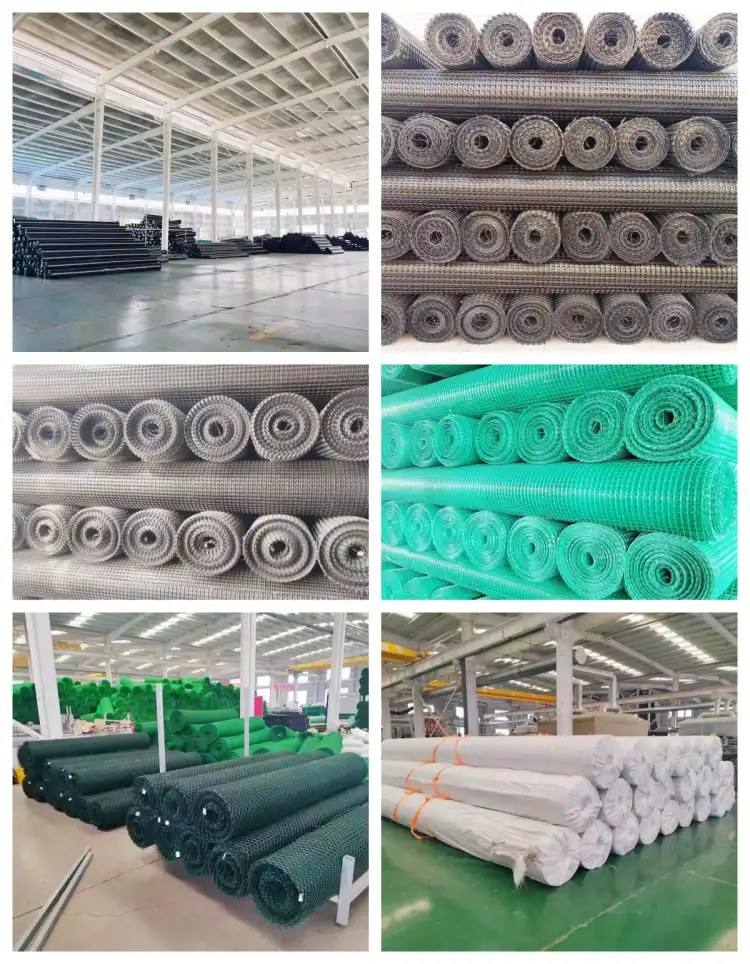
Customer Factory Inspection
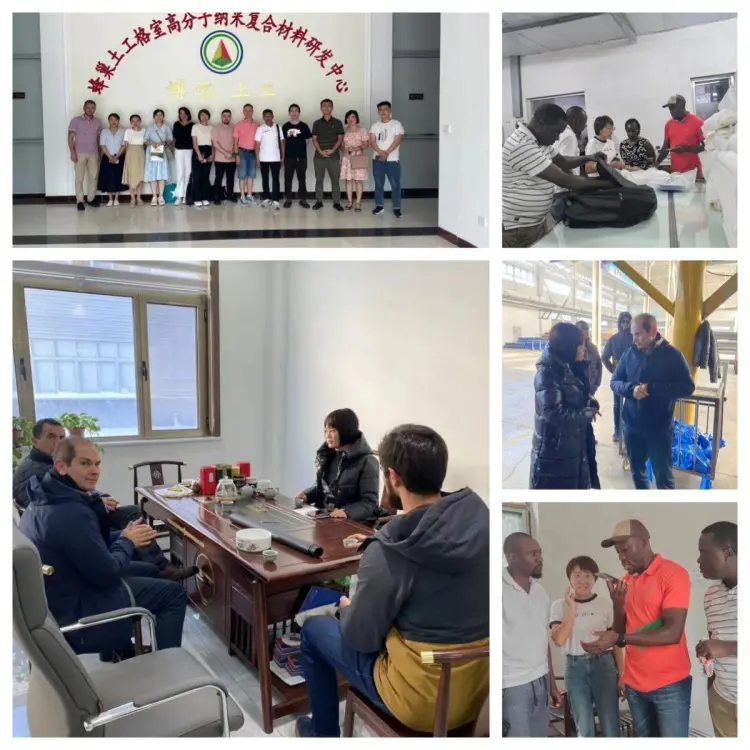
Customer Eveluation
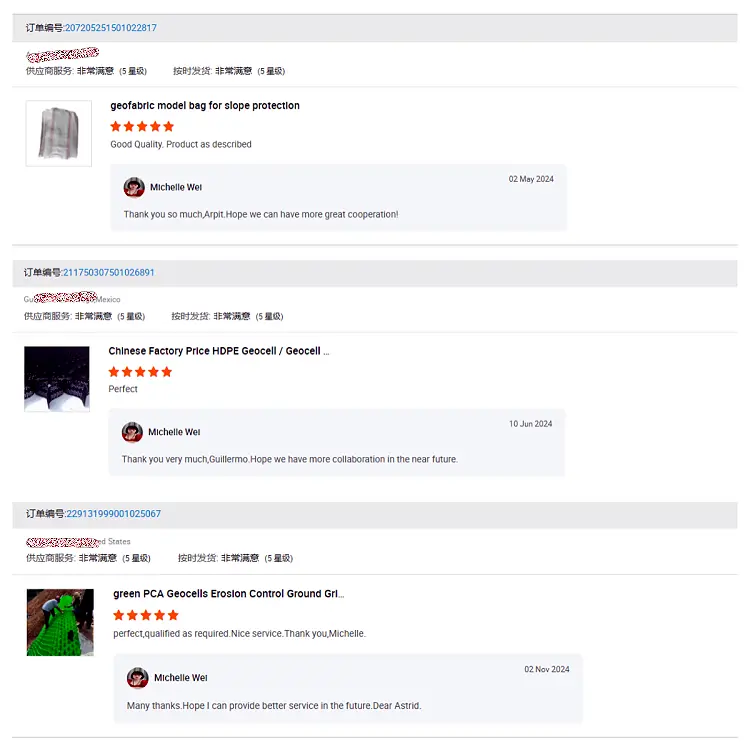
Related News