

Product Details
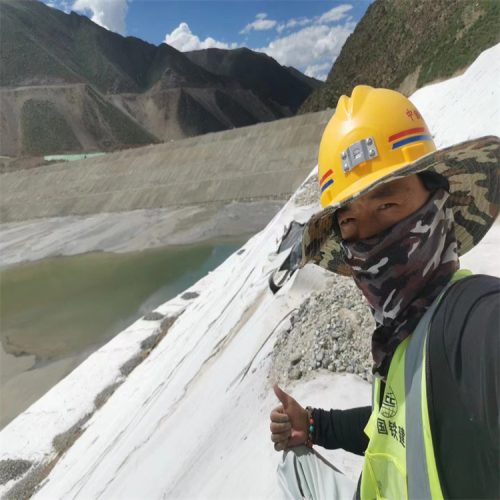
Geosynthetic engineering refers to the application of man-made materials within waste storage and containment schemes to attain more economical, secure and eco-friendly results. These design methodologies deliver a wide range of advantages for waste and containment works, as geosynthetics offer enhanced environmental protection via containment of dangerous leachates and liquid effluents. The core advantages of deploying geosynthetics in waste handling projects are outlined below:
- Cut overall expenditure: first by lowering potential hazards, and second by decreasing large quantities of backfill materials, including sand protective layers and gravel drainage strata.
- Eliminate uncertainties associated with conventional liner, drainage and gas control systems. Uniform product quality, predictable performance, and available long-term performance records under harsh conditions help mitigate project risks.
- Reliable containment safeguards watercourses, aquatic life, wildlife and adjacent surroundings against pollutants. Lower demand for backfill materials reduces quarrying activities and construction machinery usage, thereby shrinking the carbon footprint.
- Trap and gather potentially hazardous leachate, while limiting leachate generation through capping systems.
APPLICATIONS
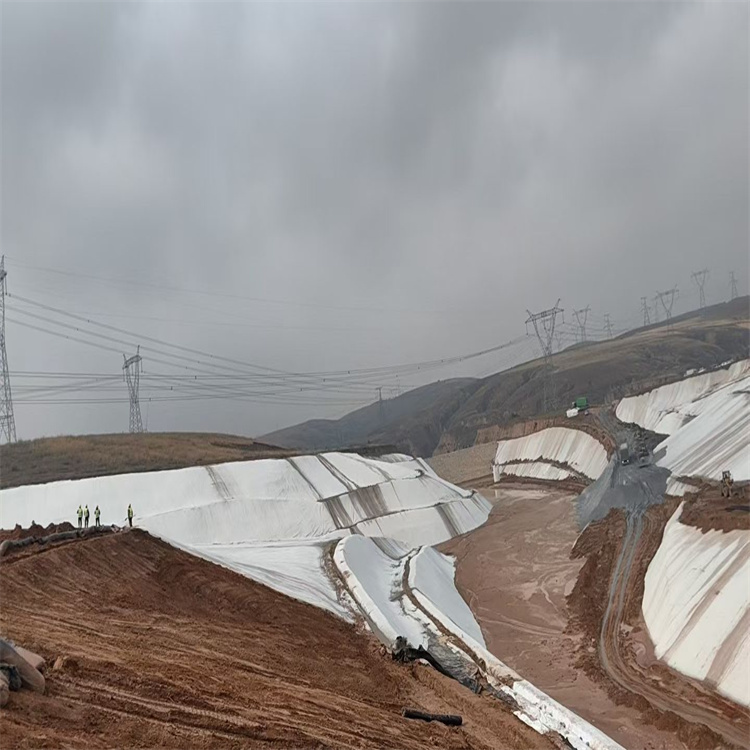
Landfill Liners and Liner Protection
Leakage Monitoring
Gas Extraction Systems
Leachate Collection & Drainage Systems
Sediment Retention Dams and Leachate Lagoons

Related News