


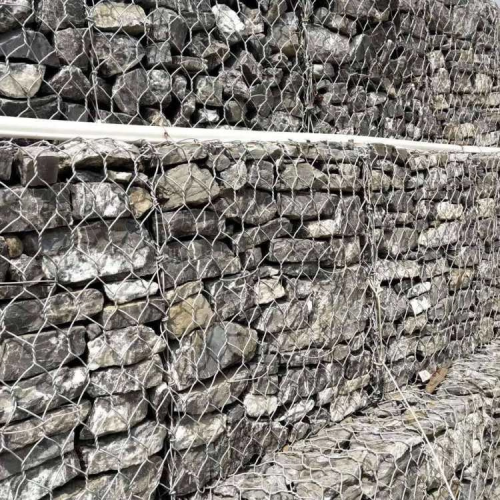
Gabion Mesh
Gabion: The Versatile and Sustainable Engineered Solution for Erosion Control and Structural Stability
Introduction: A Classic Engineering Solution Adapted for Modern Times
In this era of civil engineering and sustainable construction, the gabion is the epitome of the timeless coupled with these ideas. A gabion is a modular containment system, made of heavy, multi-fillet, twisted wire and filled with stone or other locally obtained materials. This simple yet profoundly effective concept has turned from its initial simplicity into an engineered product used for erosion control, soil fixing, retaining walls, architectural landscaping, and civil engineering that keeps full-size rocks in place until they have grown over centuries into mountains. 1.2 Multifaceted Solutions for Future Construction? all3main4materials(PP-R, 2 international B2B buyers in the infrastructure, environmental, mining, and construction sectors find that gabion structures offer an unparalleled combination of strength, permeability flexibility and environmental compatibility. This article will give a comprehensive introduction to the history of gabion baskets, the benefits from an engineering angle, their various applications and most recent achievements; as well as key considerations when selecting a supplier for procurement or evaluating what goes into it.
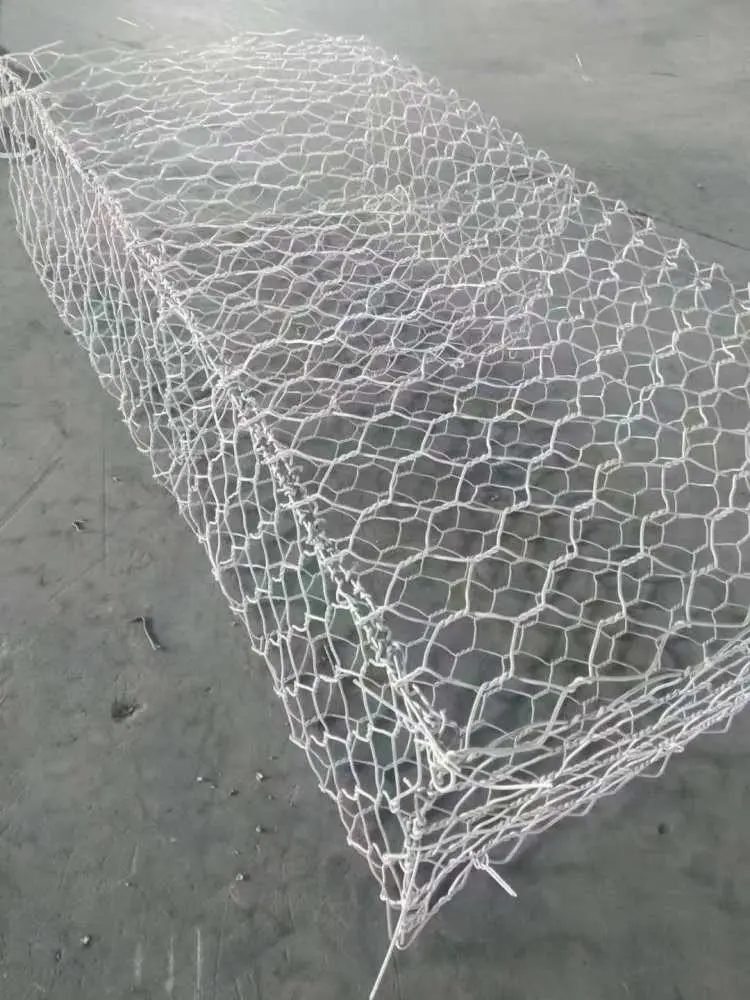
Product Overview: Innovative Design and Manufacture
Components and Structure
Standard gabion baskets have two main components:
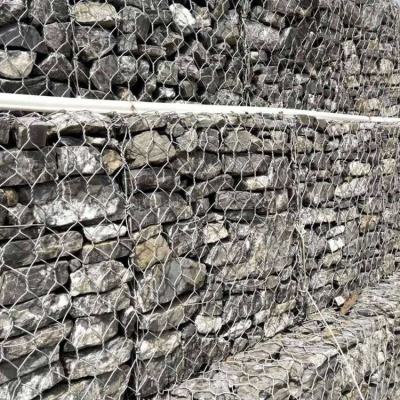
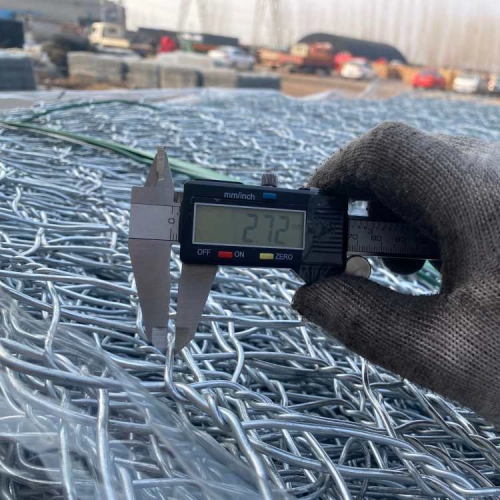
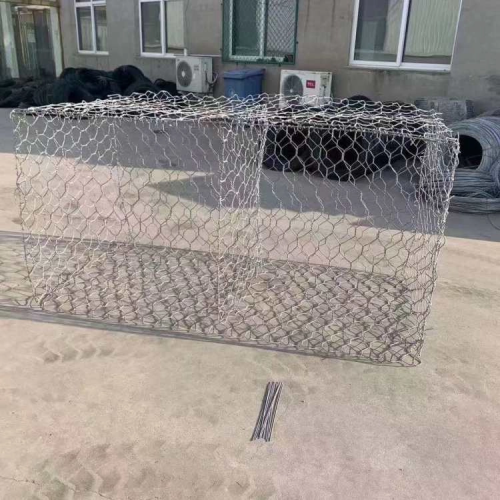
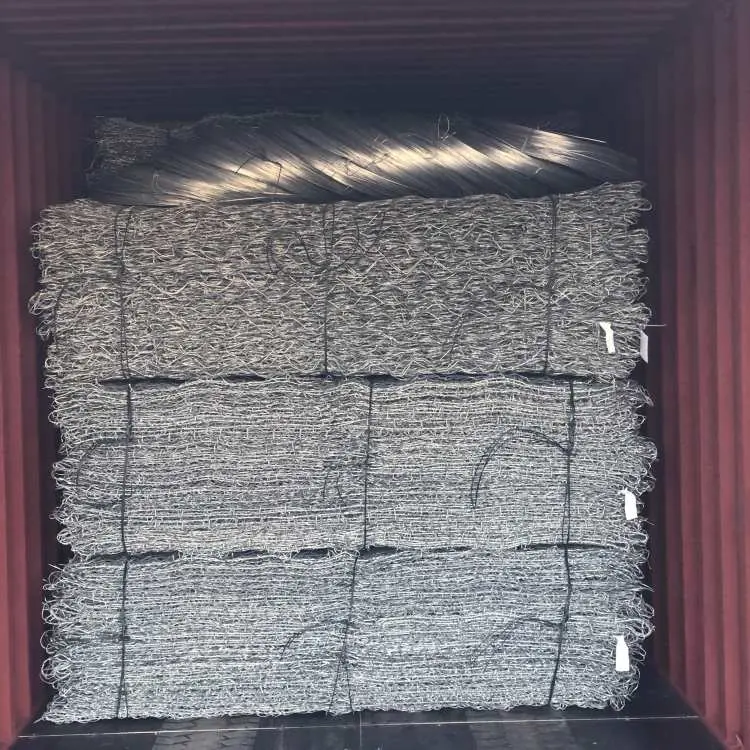
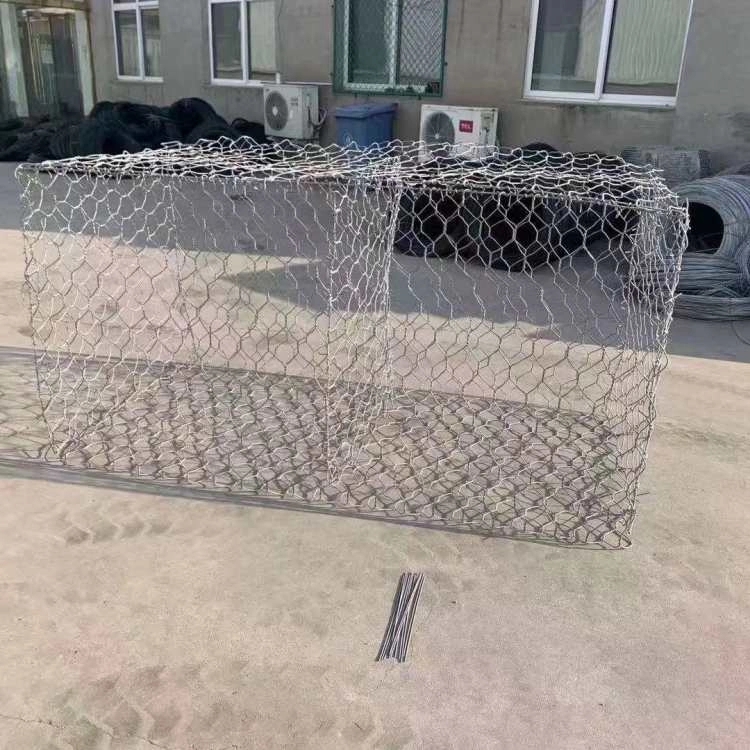
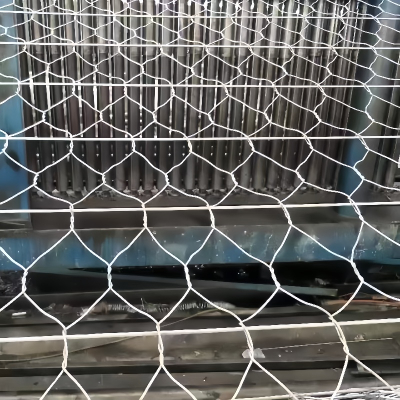
Mesh Containers: made from high-strength steel wire, corrosion-protected as a rule The industry standard is galvanized gabion mesh or superior PVC coated gabon wire both appear to render an equivalent performance. The iconic hexagonal double twist weave, even if one wire is cut, still prevents the mesh from unraveling and renders the units structurally very stable. * Fill Material: Usually solid, hard stone such as granite, limestone or basalt. The size of stone indicated above is based on that which will not fall through the mesh Therefore, a flexible, permeable rock architecture of great size is formed.
Standard Kinds and Forms
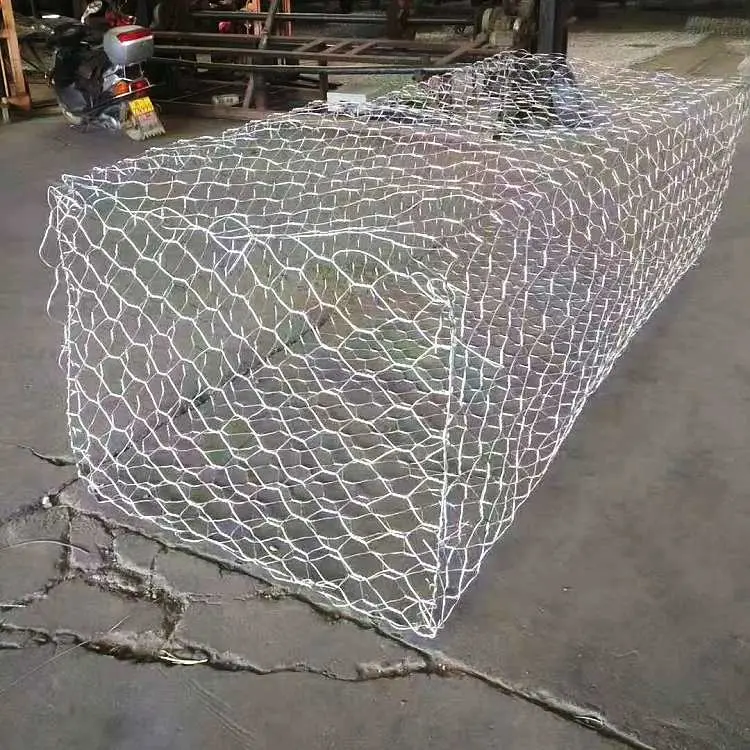
Gabion Baskets: Various sections (eg., 1m length x 1m depth x 1m height) made of rectangular boxes, used for walls or foundations
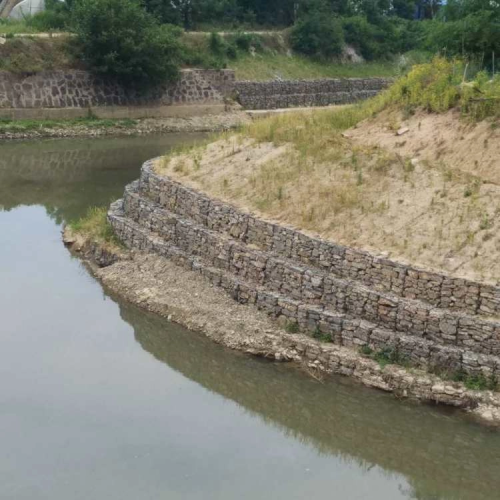
Gabion Mattresses (Reno Mattresses): As the name suggests, wide but shallow mattress profiles (e.g. 6m x 2m x 0.3m) have achieved an effective compromise between bank protection, slope protection and erosion control. This type of unit offers substantial area cover specifically designed to conform to the terrain.
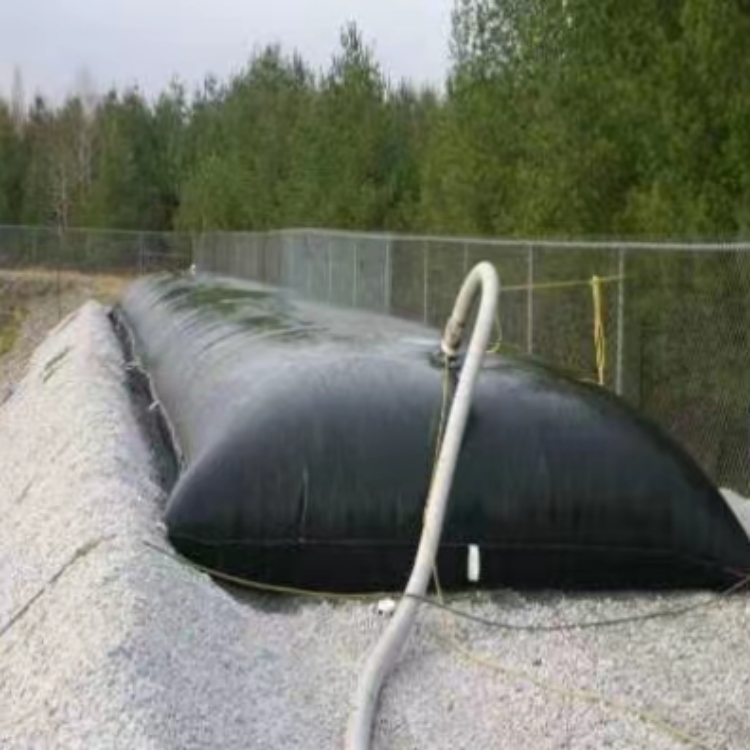
· Gabion Sacks: As a flexible water container, it has a cylindrical form, and with its immediate deployment value for emergency protection of banks.
Product Characteristics and Key Specs
The structural merits of gabion walls are all in the details. Because they are made from wire that is woven and then stone-filled, these walls have a set of intrinsic physical and performance characteristics to bring about engineering value-cum-technical standards.
Flexibility and Foundation Settlement
Unlike rigid concrete structures, gabion walls can settle or deform without either cracking or losing their structural integrity. This makes them particularly well-suited for use in areas with unstable ground, where frost heave can occur (a kind of bane that many retaining walls could not bear), or when designing structures in seismically active zones need to be given this additional advantage.
High Permeability and Drainage
The very porous nature of a rock-filled gabion wall obviates the need for separate drainage systems. Water pressure (hydrostatic pressure) does not build up behind the structure, significantly reducing the risk of failure due to water load–a common problem with other types of retaining walls that are not so very permeable.
Strength and Durability
By its nature, rock filled gabion has a large mass which provides considerable gravitational stability. When properly specified with the correct wire coating (e.g., Galfan coated gabions for highly corrosive environments) this system offers a design life exceeding 50 years. The structure becomes stronger over time as vegetation grows naturally in the fill, further binding the unit together.
Environmental Conservation
Harnessing the power of nature to save itself: Gabions draw on their environment to help integrate with it. They use local fill material, which reduces the carbon from transporting loads. The permeability of gabion works is such that it involves natural groundwater recharge. This means habitat can be formed for flora and fauna alike owing to its special embankment characteristics; making them the natural choice for eco-friendly retaining walls.
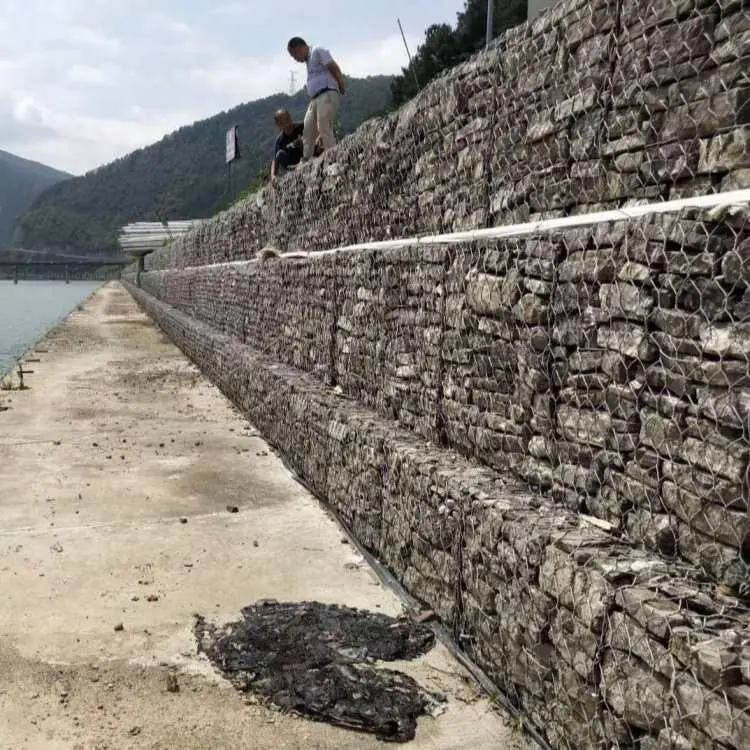
Primary Advantages and Project Benefits
Specification of gabion baskets translates into direct technical, economic and environmental advantages for project stakeholders.
Performance
Using local rock for material and reducing the demand for skilled manpower, plus elimination of complex formwork which comes with long curing periods means that overall installation costs are significantly lower than other erosion control systems in the soft environment. They are a shining example of cost-effective erosion control.
Fast Installation and Low in Costs Two pieces of mesh can be quickly joined together to make a compact, completed stone cage. In many cases, quick construction progress is assured—entirely independently of weather conditions—and sites can introduce its own landscape harmoniously.
Aesthetic Versatility Gabions can be filled with anything from colorful rock, glass or man-made wood. They become visually splendid architectural features in the landscape as noise barriers and decorative walls, merging both utility and landscaping.
Ease of Maintenance and Long-Term Stability Figure 1 shows what happens after a number of years’ natural consolidation. It remains crucial to monitor maintenance during this entire process so that the gabion wall structural system can continue without fault for an extended period after stopping any new or continuing work on it slipping pat be left off in future applications.
Usage Fields
Gabion mesh systems are so versatile that they can be used in the full range of projects.
· Civil and Transportation Infrastructure
–Retaining Walls: For highway embankments, bridge abutments and railway cuttings.
–Slope Regeneration Defensive Works Preventing erosion on steep embankments and cuttings.
–River Bank Protection and Linings Gravity gabion mattresses are used for lining chutes in streams, canals and storm drains. They are also used in riverbeds to prevent erosion. — Architecture
— Desilting Works along Rivers GabionsCapture all mud washed into flowing watercourses with their submerged baskets of wire netting and stone filtering layers. — Hydraulic and Marine Engineering
–River Training Works: Groynes, weirs and bank revetments to guide the flow of a river and prevent erosion.
–Coastal Defence: Revetments and sea walls to break wave energy.
Boxes at Culvert Outflows/Dam Toes None. Box interlocking is done in such a way that the head wall still faces the flow and current force is running up against it.—Wind lapping from both sides after a line done smoothly it’s possible either side should be better than other for controlling forces with hopeably cohesive results hoped at home!-Biotechnology: Low-Temperature Biotechnology—Using Bacteria Or Fungi To Remove Industrial Pollutants
Environmental and Landscaping Projects:
–Erosion Control Gabions: For stabilizing slopes in tot lot areas of the city, municipal parks and golf courses
— Architectural Landscaping: Walls, planters which also double as seats.
— Noise Reduction: Along highways and at factory perimeters.
Application Fields in Mining and Industry
· Sediment Control: Check dams and perimeter bunds
· Foundation Stabilization for heavy equipment on soft ground
Installation Process at a Glance
Foundation Preparation: A level, compacted base is essential, often with a lean concrete bed or compacted granular material.
Assembly and Placement: Mesh panels are assembled into baskets using spiral binders or lacing wire and placed on the foundation.
Filling: Stones are carefully placed by hand (or machine) to minimize void spaces. Fill is typically done in 1/3 increments, with connecting ties installed between adjacent baskets at each lift to ensure unity.
Lidding: Once filled and compacted, the lid is securely fastened.
FAQs for International Purchasers and Specification Writers
Q1: What is the difference between galvanized and PVC-coated gabion wire, and which should I choose for marine environments?
A: Galvanized gabion mesh offers a zinc coating for general corrosion protection. PVC coated gabion wire features a zinc coating plus a thick, bonded sheath of PVC (polyvinyl chloride), offering superior protection against abrasion and highly corrosive environments (such as saltwater, acidic soils, or polluted waterways). For marine or aggressive chemical environments, PVC coated gabions are the specified standard.
Q2: How do I determine the correct stone size for filling gabions?
A: The stone size must meet two key criteria: it must be larger than the mesh aperture to prevent sloughing, and it must fit the structure’s design. A rough guideline is that the stone diameter should be 1.25 to 1.5 x the mesh size. More whatever stone put in place laboriously is used for aesthetic walls. For mass structures, quarry-run stone is common. The design engineer will specify the gradation based on structural and hydraulic requirements.
Q3: Is there any limit to the height of gabion walls? In practice, while gabion retaining walls are very effective, they’re gravity structures and so they need a major horizontal mass (e.g. width) in order not to overturn or slide at taller heights. Thus, taller walls (e.g., over 4-5 meters) often must become tiered (stepped) designs, with terraces or the incorporation of geogrid reinforcement within the fill to create a mechanically stabilized earth (MSE) structure. Geotechnical engineering is essential for walls over a certain height or on weak foundations.
Q4: When I purchase gabion mesh in the international market, are there any standards of quality I should look out for?Good manufacturers will adhere to well-known international standards detailing the wire’s tensile strength, coating weights, and mesh integrity. Important standards cover:
· EN 10223-3: European standard for steel wire and welded mesh for gabions and terramesh systems.
· ASTM A975: Standard specification for double-twisted hexagonal mesh gabions and revet mattresses.
Always ask for mill certificates plus independent testing reports to assure wire and coating consistency.
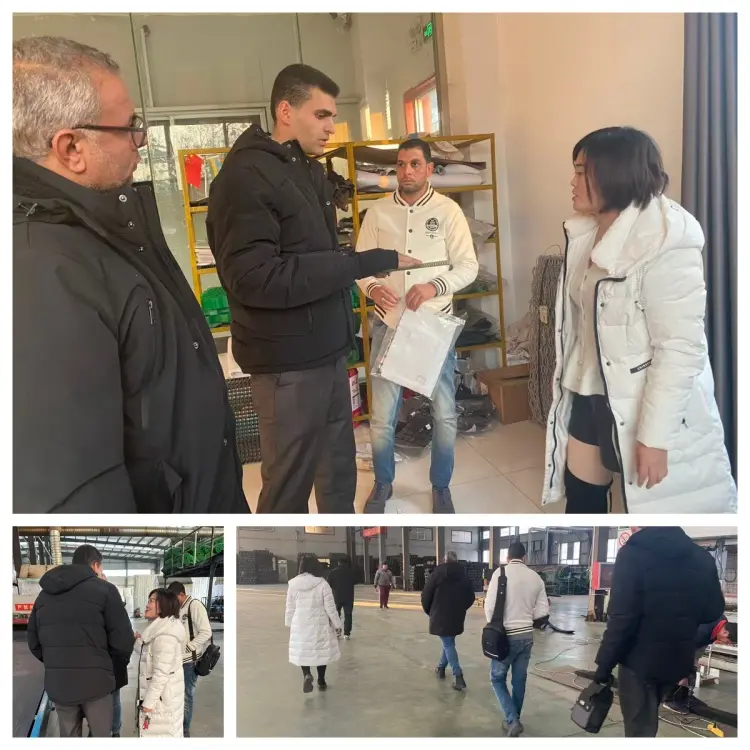
Customer Visit
Related News