




Geosynthetics Composite Soft Mattress
Product Details
Geosynthetics Composite Soft Mattress: The Flexible, Eco-Integrated Solution for Advanced Erosion and Scour Control
Introduction: Redefining Protection with Natural Integration
In the evolving landscape of hydraulic engineering, coastal defense, and environmental infrastructure, the demand for solutions that balance robust technical performance with ecological harmony has never been greater. The Geosynthetics Composite Soft Mattress—also known as a soft armor mattress, fabric-formed revetment, or geotextile sand mattress—represents a paradigm shift in erosion control technology. Unlike rigid concrete systems or loose rock riprap, this innovative system consists of high-strength geotextile compartments filled in situ with sand, mortar, or other local materials, creating a flexible, permeable, and environmentally cohesive protection layer. For international B2B buyers, civil engineers, and contractors engaged in river training, coastal protection, pipeline crossing stabilization, and wetland restoration, the Geosynthetics Composite Soft Mattress offers an unparalleled combination of adaptability, sustainability, and long-term performance.
Product Overview: An Engineered Fabric-Formed System
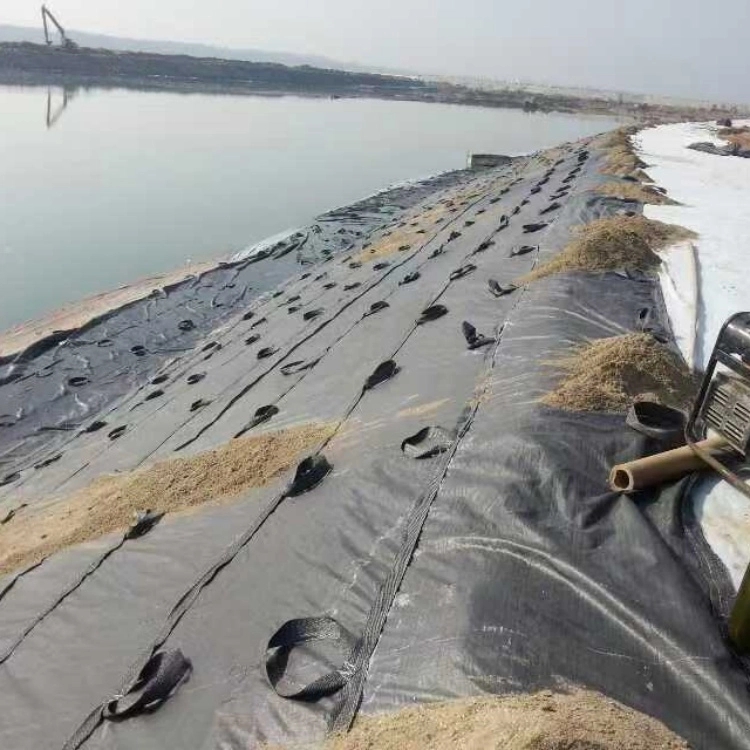
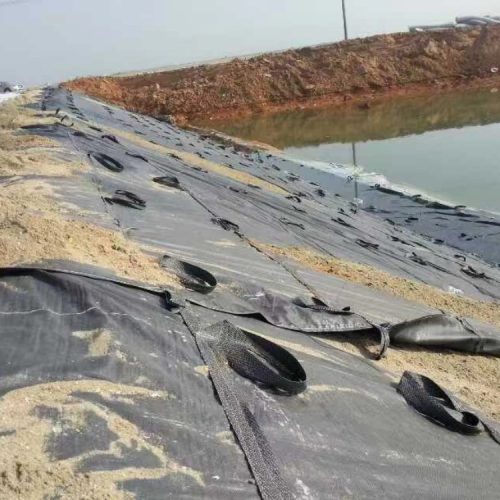
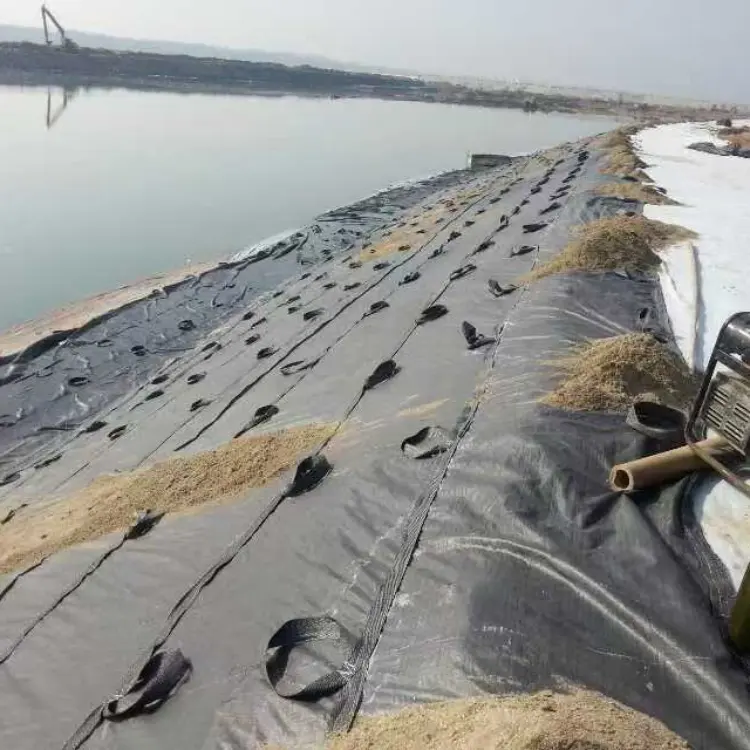
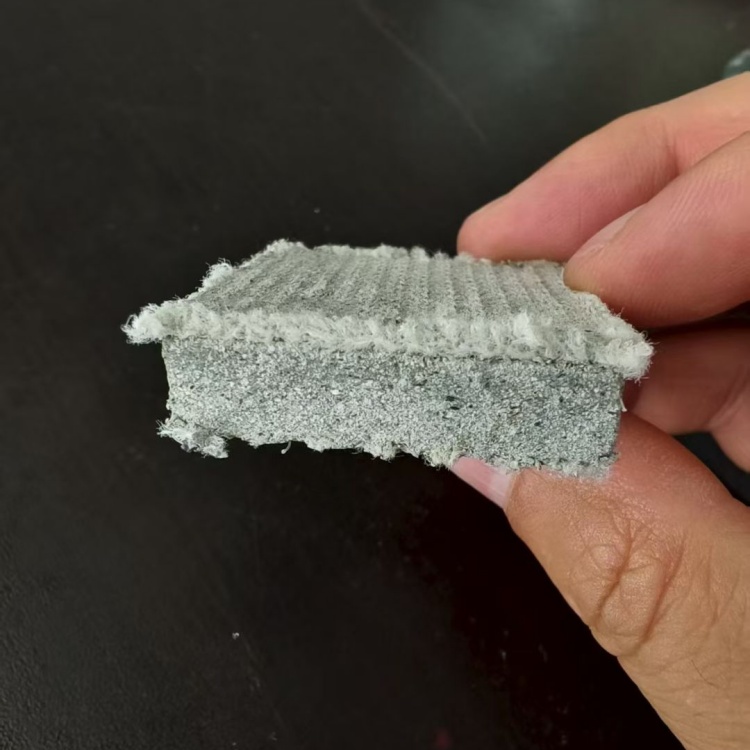
A Geosynthetics Composite Soft Mattress is a prefabricated, double-layered geotextile structure, systematically fabricated into distinct cells or compartments. Once positioned, these compartments are pumped full of a flowable fill material—typically sand slurry, grout, or low-strength mortar—which then consolidates, forming a durable yet flexible mattress.
Core Components and Structural Design:
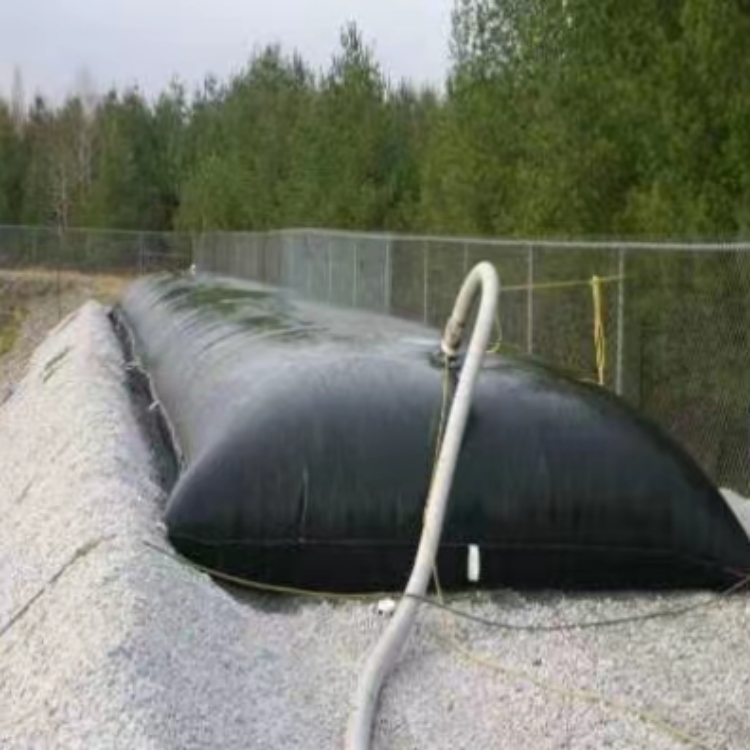
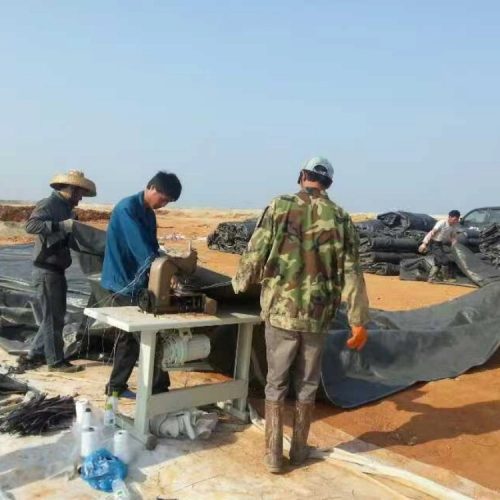
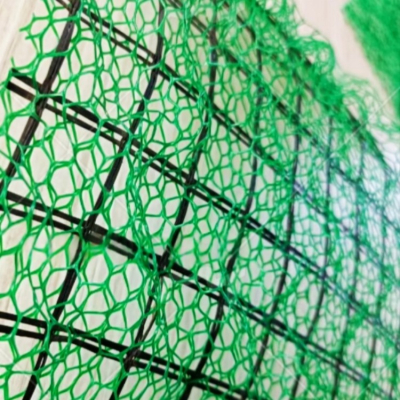
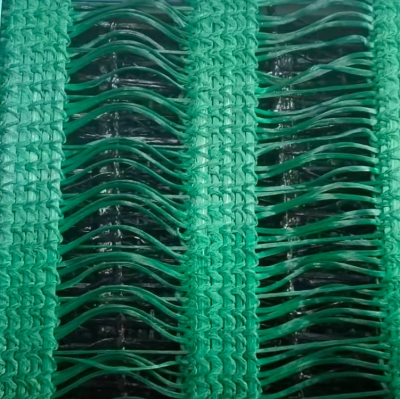
Dams, weirs, and river channels have high water flowvelocity and surface foundations made of low-compressibleclay with lowstrength. The fine sand layer has small particlesuniform particle size, and loose characteristics, making iteasily lifted and transported by water currents. After changes in the flow field, it usually causes the developmentof downstream flows that intensify beach erosion, therebyendangering dam stability.The softened fabric is used as a base for sewingsandbags; the base cloth generally uses filament woven orpolypropylene knitted fabric, with reinforcement strips setongitudinally and transversely along the bag body for wateresistance construction.
Manufacturing Excellence:
Mattresses are factory-fabricated to precise project specifications, including dimensions, cell geometry, and geotextile grade. This ensures consistent geotextile composite quality and predictable field performance, eliminating the variability of site-built solutions.
Technical Characteristics & Performance Advantages
The Geosynthetics Soft Armor System is defined by a unique combination of mechanical, hydraulic, and environmental properties.
1. Exceptional Conformability and Flexibility
The articulated cell structure allows the filled mattress to drape seamlessly over the subgrade, conforming to minor irregularities and settlements without bridging or creating voids beneath. This full subgrade contact is essential for preventing scour and undermining.
2. High-Performance Built-In Filtration
The lower geotextile layer is engineered to function as a filtration geotextile. It retains the underlying soil while allowing groundwater to vent freely, preventing the buildup of destructive hydrostatic pressure beneath the mattress. This integrated filter eliminates the need for a separate granular filter layer, simplifying construction and reducing cost.
3. Hydraulic Stability and Scour Resistance
Once filled, the mass of the mattress provides substantial resistance to hydrodynamic lift and drag forces. The flexibility and weight of the sand-filled mattress allow it to maintain contact with the bed even during scour events, often self-launching into minor scour holes to provide continuous protection.
4. Ecological Integration and Habitat Enhancement
This is a defining advantage. The permeable nature of the soft mattress (especially when sand-filled) allows for:
· Natural Colonization: Vegetation can root through the fabric and fill material, integrating the structure into the landscape.
· Aquatic Habitat: The textured surface provides refuge for benthic organisms.
· Aesthetic Harmony: The finished appearance is far more natural than concrete riprap or articulated concrete blocks.
5. Rapid Installation and Low Logistical Impact
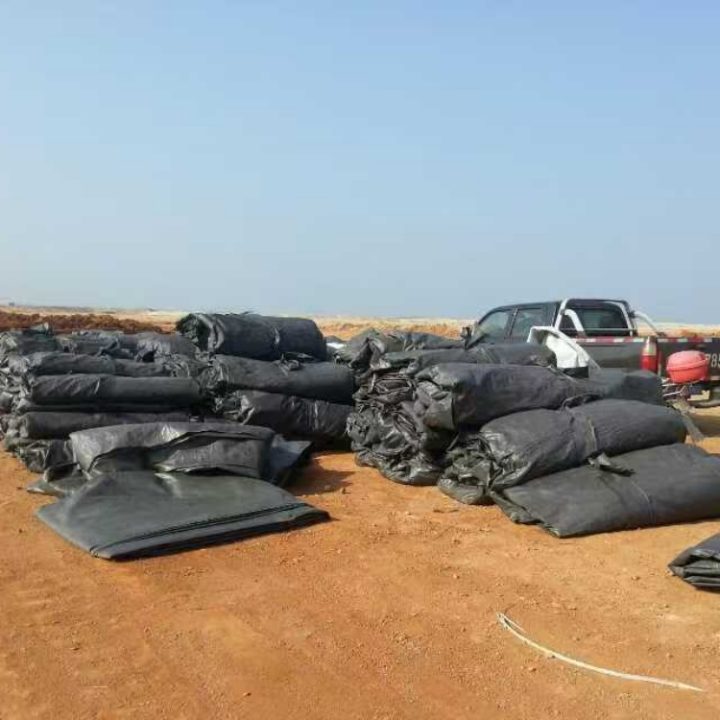
The mattress is delivered to site on rolls, dramatically reducing transport volume compared to rock or precast concrete. Installation is fast, requires minimal heavy plant, and generates negligible waste.
6. Versatility in Fill Material
The ability to use locally available sand as the primary fill material significantly reduces carbon footprint and material costs, making it a highly sustainable erosion control solution.
Primary Application Areas
The Composite Geotextile Mattress is a highly versatile system, deployed across a wide spectrum of critical applications.
1. River and Channel Engineering
· Application: Bank and bed revetment for erosion control, channel lining for flood relief schemes, and toe protection for levees.
· Benefit: Provides a flexible, permeable, and vegetatable lining that stabilizes banks without disrupting natural groundwater flow or creating a hard, ecologically barren channel.
2. Coastal and Estuarine Protection
· Application: Dune core reinforcement, beach scarp repair, saltmarsh restoration, and low-crested breakwater construction.
· Benefit: Sand-filled mattresses mimic the permeability and appearance of natural sediment, integrating with dynamic coastal processes rather than opposing them. This is a leading use for coastal erosion soft mattress systems.
3. Infrastructure and Utility Protection
· Application: Pipeline and cable crossing protection for subsea, river-crossing, and landfall installations; scour protection around bridge piers and abutments.
· Benefit: The mattress can be precisely fabricated to fit complex geometries, providing continuous, non-damaging armor over sensitive pipelines.
4. Environmental and Wetland Restoration
· Application: Creation of artificial reefs, stabilization of constructed wetlands, and capping of contaminated sediments.
· Benefit: The biodegradable or eco-compatible nature of sand-filled systems supports habitat creation and can be designed to allow for natural sedimentation and ecological succession.
5. Landfill and Slope Closure Systems
· Application: As a protective cover layer and erosion control system on landfill final caps and steep engineered slopes.
· Benefit: Provides immediate, heavy-duty erosion protection while allowing for vegetative final cover.
Installation Process Overview:
1. Subgrade Preparation: The area is graded to design levels and cleared of sharp debris. A smooth, uniform surface is preferred but not mandatory due to the mattress’s flexibility.
2. Mattress Deployment: The rolled mattress is positioned using a crane or excavator and unrolled along the alignment. Adjacent panels are joined using integral seaming flaps or field seaming equipment.
3. Filling: A slurry of sand and water (or grout) is pumped into the mattress through the filling ports. The internal baffles guide the fill, ensuring uniform distribution. Filling proceeds in a controlled sequence to maintain geometry.
4. Closure and Finishing: Ports are sealed, and the system is inspected for fullness. In vegetated applications, a topsoil layer or seeding may be applied.
FAQ for International Buyers and Project Specifiers
Q1: What is the fundamental difference between a Geosynthetics Composite Soft Mattress and a Geosynthetics Concrete Mattress (GCM)?
A: The distinction lies in fill material and structural behavior.
· A Concrete Mattress (GCM) is prefabricated with rigid concrete blocks and relies on the mass of individual, articulated concrete units for protection.
· A Soft Mattress is filled in situ with sand, grout, or mortar, forming a semi-rigid to flexible monolithic slab. It is generally more conformable than a GCM, better integrated with vegetation, and often more cost-effective when local sand is available. The choice depends on the required mass, velocity resistance, and ecological objectives.
Q2: How is the long-term durability and UV resistance of the geotextile ensured?
A: The geotextile components are manufactured with UV-stabilized polymers (carbon black or hindered amine light stabilizers) to withstand extended construction exposure. For permanent exposed applications, specific UV-resistant grades are specified. Furthermore, in vegetated systems, the mattress is designed to be rapidly colonized by plants, which then provide natural shading and further protect the fabric. The fill material itself also shields the interior of the mattress from UV.
Q3: Can the mattress be installed underwater?
A: Yes. This is a critical application capability. Underwater installation of geotextile sand mattresses is routine for pipeline protection and scour repair. The mattress is deployed from a barge or the shoreline and filled with sand slurry using a tremie pipe or submersible pump. The internal baffles ensure controlled distribution even in submerged conditions. Specialized procedures and fill rheologies are employed to prevent washout.
Q4: What fill materials can be used, and how is the appropriate type selected?
A: The fill is selected based on project function:
· Sand or Fine Aggregate Slurry: For general erosion control, habitat enhancement, and applications requiring drainage and flexibility. It offers the lowest cost and best ecological integration.
· Cementitious Grout: For high-energy environments requiring maximum mass and rigidity (e.g., spillway aprons, heavy-duty channel linings). This creates a grout-filled mattress.
· Low-Density Fillers (e.g., lightweight aggregate, foamed concrete): For applications on very soft soils where minimal surcharge is critical.
Your supplier’s engineering team should be consulted to match the fill to your specific hydraulic, geotechnical, and ecological requirements.
Related News