




Product Details
Multi-functional Geosynthetics Cushion: The All-in-One Protection, Separation, and Drainage Solution
Introduction: The Engineered Interface for Critical Infrastructure
In the demanding world of modern civil engineering and environmental construction, the interfaces between different materials—soil and geomembrane, aggregate and structure, subgrade and liner—are often the most vulnerable points in a project. It is here that failure is most likely to initiate, whether through puncture, clogging, erosion, or differential settlement. The Multi-functional Geosynthetics Cushion represents a sophisticated, engineered response to this challenge. More than a simple protective layer, this advanced composite integrates multiple geosynthetic functions—cushioning protection, filtration, drainage, separation, and often reinforcement—into a single, high-performance product. By consolidating what once required multiple layers of separate materials, the geosynthetic composite cushion delivers superior, predictable performance while simplifying procurement, logistics, and installation. For international B2B buyers, specifiers, and contractors in the landfill, mining, water containment, and transportation sectors, understanding the capabilities of this versatile system is key to optimizing project durability and cost-efficiency.
Product Overview: A Symphony of Engineered Functions
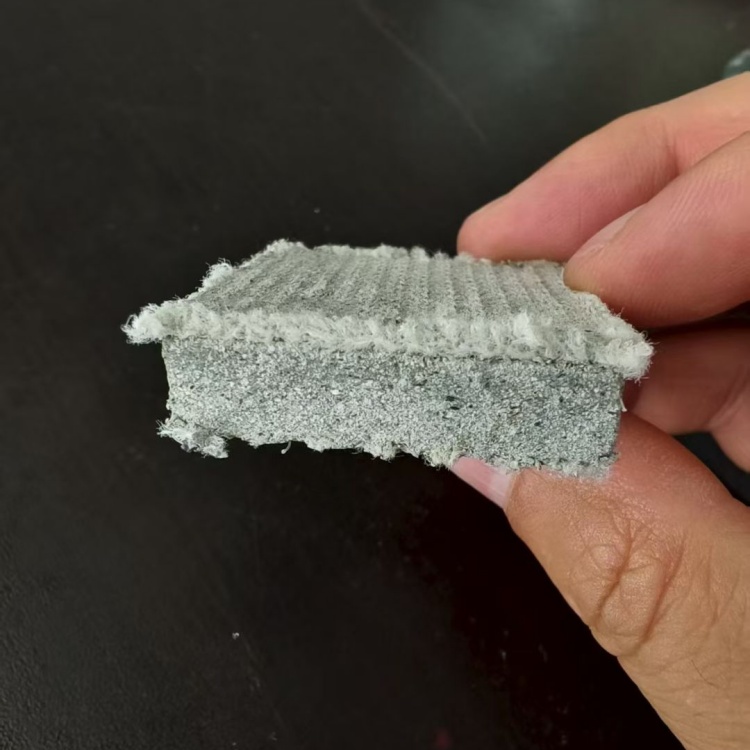
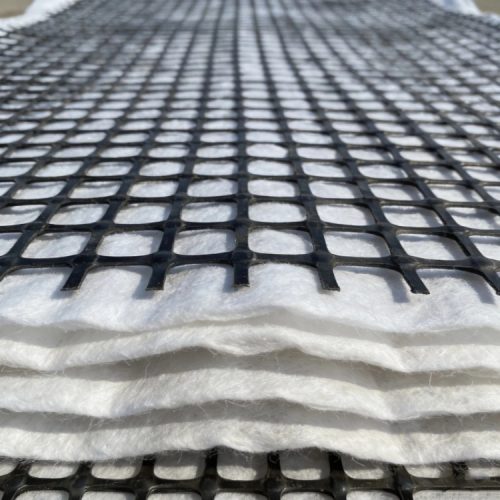
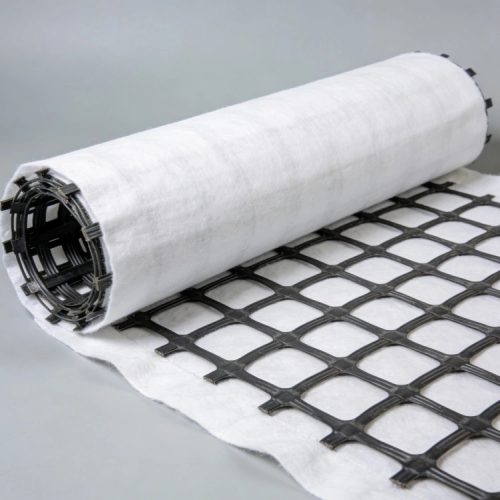
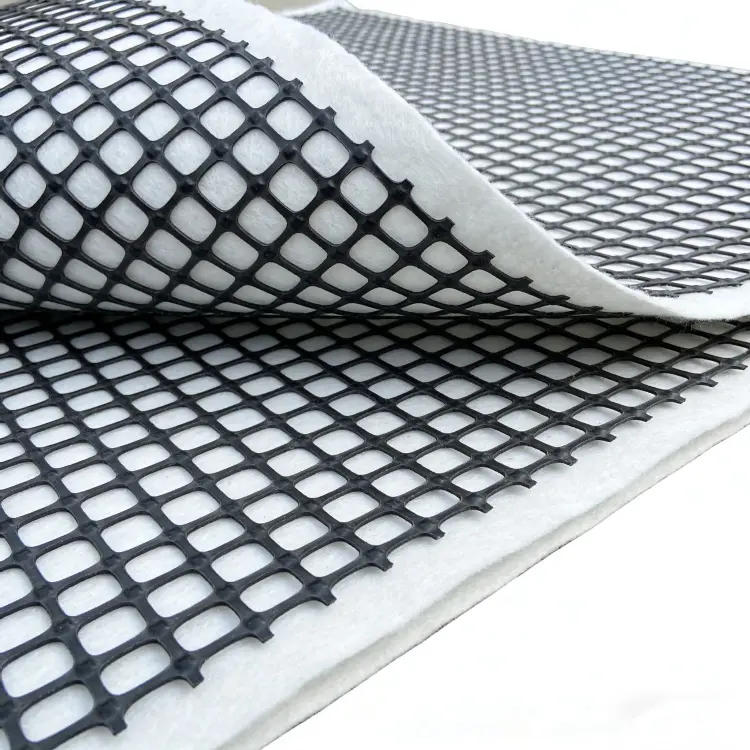
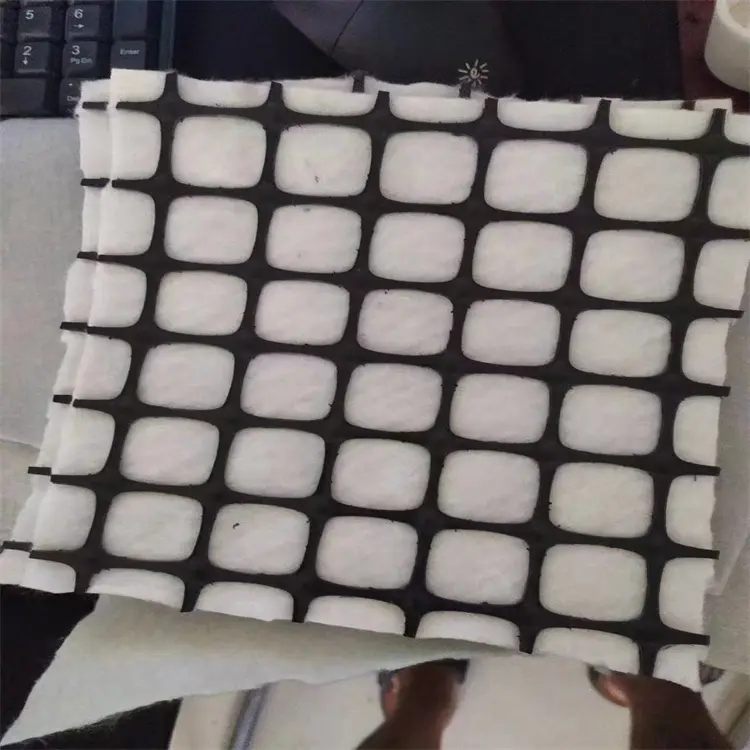
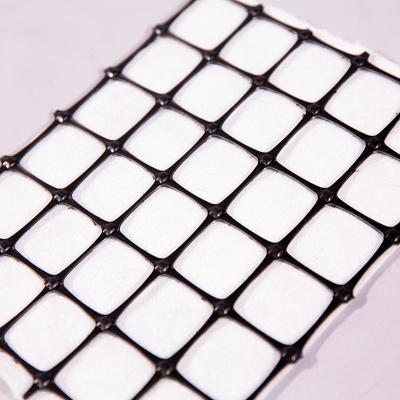
A Multi-functional Geosynthetics Cushion is not a single material but a precision-engineered composite, typically manufactured by thermally or adhesively laminating distinct geosynthetic layers to create a unified product with multiple, simultaneous capabilities.
Core Structural Components:
The exact composition is project-tailored, but a typical high-performance cushion integrates three primary zones:
1. The Protective/Cushioning Layer (Core): This is the heart of the system. It consists of a thick, resilient, needle-punched non-woven geotextile, often with a high mass per unit area (typically 400 g/m² to 1200 g/m² or more). This layer provides:
· Puncture Resistance: Absorbs and distributes point loads from angular aggregate or subgrade protrusions.
· Compressive Resilience: Acts as a shock absorber, protecting sensitive underlying materials (especially geomembranes) from mechanical damage during and after installation.
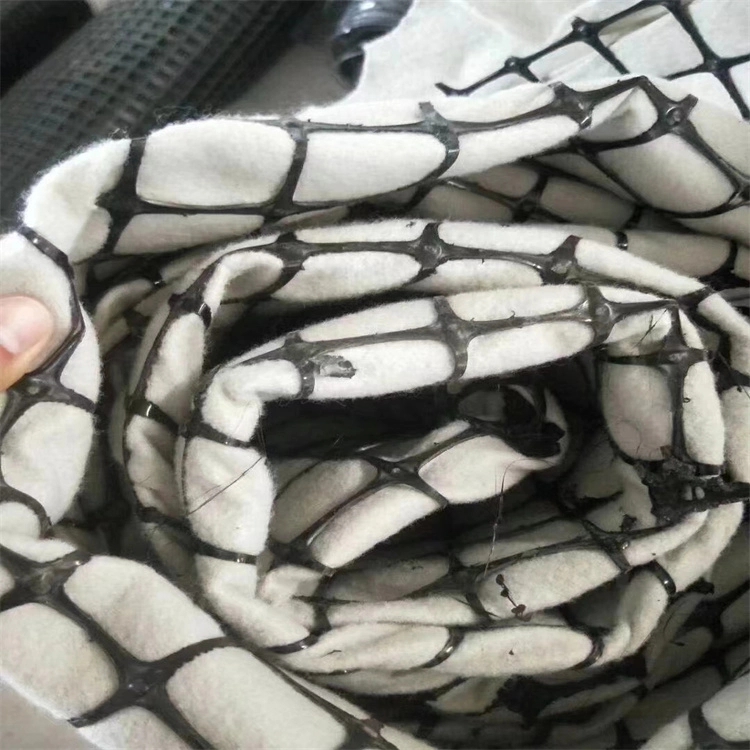
2. The Drainage/Transmission Layer (Optional but Common): A geonet, geospacer, or high-transmissivity drainage geocomposite may be integrated into the cushion. This creates a dedicated planar pathway for the efficient conveyance of liquids or gases, preventing the buildup of hydrostatic pressure.
3. The Filtration/Separation Layer (Interface): A woven or non-woven geotextile with controlled Apparent Opening Size (AOS) is often placed on one or both outer surfaces. This layer performs critical filtration functions, retaining soil particles while allowing water to pass freely into the drainage layer, and separation, preventing intermixing of dissimilar materials.
Manufacturing Process:
These composites are produced in specialized manufacturing facilities using:
· Thermal Lamination: Applying heat and pressure to bond layers, often incorporating a tacky intermediate polymer.
· Adhesive Lamination: Using specialized geocomposite adhesives to create permanent, high-peel-strength bonds.
· Needle-Punching: Mechanically entangling fibers of different layers to create an integrated, non-delaminating structure.
The result is a roll-good product with consistent, laboratory-verified properties, ready for rapid deployment.
Technical Characteristics & Performance Advantages
The Protective Geosynthetic Composite delivers a unique portfolio of quantifiable engineering benefits.
1. Superior Multi-Directional Protection
By combining high-mass non-woven fabric with robust bonding, the cushion provides exceptional resistance to static puncture (CBR push-through) and dynamic impact (cone drop). This extends the service life of critical components like geomembrane liners and waterproofing membranes, which are expensive to repair.
2. Integrated Hydraulic Functionality
When configured with a drainage core, the cushion actively manages water and gas. It prevents the accumulation of leachate or groundwater pressure against liners, a primary cause of slope instability and liner uplift. This integrated drainage geocomposite function eliminates the need for a separate sand or gravel drainage layer, saving significant project cost and vertical space.
3. Simplified Installation and Quality Assurance
A single multi-functional cushion roll replaces the handling, placement, and quality control of two or three separate geosynthetic layers. This leads to:
· Reduced installation labor and equipment time.
· Fewer interfaces and potential points of failure.
· Faster project completion.
· Simplified procurement and logistics.
4. Consistent, Predictable Performance
Because the composite is factory-manufactured under controlled conditions, its properties (filtration opening size, transmissivity, puncture resistance) are consistent and verifiable. This eliminates the field variability and installation uncertainty associated with placing separate layers.
5. Customizable Design
The geotextile cushion is not a rigid, off-the-shelf product. Manufacturers can tailor each layer—geotextile weight, core type, strength, and permeability—to the specific mechanical and hydraulic demands of the project.
Primary Application Areas
The Geocomposite Cushion is deployed as a critical component in high-stakes projects across multiple industries.
1. Landfill and Containment Engineering
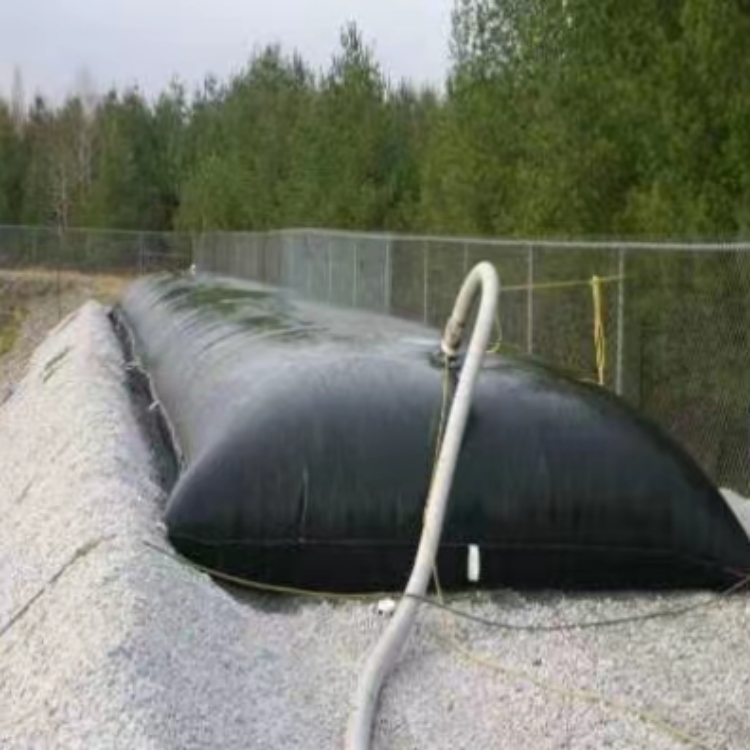
This is the most prominent application. The cushion is placed directly over the geomembrane liner (primary or secondary) to:
· Protect the liner from puncture by the overlying leachate collection gravel or drainage aggregate.
· Provide a cushion against the weight of heavy construction equipment.
· Act as a filtration layer, preventing fines from migrating into the drainage layer.
· Serve as a gas venting layer when configured with a transmissive core.
This is the definitive landfill protective cushion specification.
2. Mining and Heap Leach Operations
In heap leach pads, the cushion is installed between the subgrade and the primary geomembrane, or between the geomembrane and the overlying drainage/protection layer. It provides essential puncture protection against sharp ore particles and distributes the immense static loads of stacked ore.
3. Water Containment and Hydraulic Structures
· Reservoirs, canals, and ponds: Protects the waterproofing membrane from subgrade stones and root penetration.
· Dam facings: Acts as a combined protection and drainage layer behind concrete or bituminous facings.
4. Transportation and Civil Infrastructure
· Tunnel waterproofing systems: Placed between the sprayed concrete primary lining and the polymeric waterproofing membrane to protect the membrane from sharp projections.
· Bridge deck waterproofing: Protects the membrane from abrasion by the asphalt wearing course.
· Subgrade stabilization: Provides separation and filtration on poor soils.
5. Green Roof and Plaza Deck Systems
Used as a protection and drainage composite over waterproof membranes, safeguarding them from root penetration and mechanical damage while facilitating drainage for overlying planting media.
Installation Process Overview:
1. Surface Preparation: The substrate (e.g., geomembrane, concrete) must be clean, smooth, and dry.
2. Roll Deployment: Cushion rolls are deployed with the designated side facing the surface to be protected. Overlaps are specified based on project requirements.
3. Seaming: Adjacent rolls are joined using manufacturer-recommended methods (e.g., adhesive tapes, hot air welding, or simple overlaps with ballast).
4. Covering: The protective cover material (soil, aggregate, concrete) is placed promptly to prevent UV degradation and wind displacement.
FAQ for International Buyers and Project Specifiers
Q1: What is the key difference between a standard non-woven geotextile and a Multi-functional Geosynthetics Cushion?
A: A standard non-woven geotextile primarily provides separation and filtration. A Multi-functional Cushion is a composite system. It integrates that filtration function with a dedicated, high-compressive-strength protective cushioning layer and often an engineered drainage core. It is specifically designed to be a complete replacement for a multi-layer system (e.g., sand + geotextile + geonet), offering superior and more predictable performance in a single installation step.
Q2: How do I specify the correct cushion for geomembrane protection in a landfill application?
A: Specification requires analysis of:
1. Subgrade/Aggregate Angularity: Rough, sharp materials require higher mass geotextiles and potentially additional core thickness.
2. Overburden Load: The depth of waste or height of stacked ore dictates the required compressive strength and puncture resistance.
3. Chemical Environment: Leachate chemistry may influence polymer selection (e.g., HDPE vs. PP components).
Engineers should use design methods (e.g., GRI-GM13, ASTM D5514) and consult manufacturer technical data for puncture resistance values at relevant pressures.
Q3: Can the cushion be used on slopes, and what are the friction considerations?
A: Yes. However, when placed on slopes, the interface friction angle between the cushion and adjacent materials (geomembrane, soil) becomes critical. A smooth cushion surface may create a low-friction interface, risking slippage. For slopes exceeding a 3:1 (H:V) ratio, specifiers should consider:
· Textured cushion surfaces (e.g., fabric with enhanced roughness).
· High-friction geotextile components on the contact surfaces.
· Mechanical anchorage at the crest.
A geotechnical stability analysis must be performed.
Q4: What is the design life of these composites, and how does UV exposure affect them?
A: When buried, properly formulated polypropylene and polyethylene components have a proven design life exceeding 50-100 years. However, UV exposure is a critical installation consideration. Most standard geosynthetics will degrade if exposed to direct sunlight for extended periods. Products should be specified with UV-stabilized polymers (carbon black or HALS) if exposed for more than a few weeks, and project specifications should mandate prompt covering of the installed cushion. For permanently exposed applications, specialized UV-resistant grades are required.
Related News